Is writing easy? Have you easy access and control of your sources in your documents? Can you easy setup footnotes and references in your essays and articles? Can you open and read multiple PDF files, and take notes at the same time?
This is a solution for you. Essay Starter. It is innovative educational App (compatible with iPad), from Activa Systems.
Be inspired! Writing is easy when you have easy access and control of your sources. Automatic footnotes let you stop worrying about references and just write. Split screen mode lets you open and read multiple PDF files, and take notes at the same time.
You can find the Essay Starter app on the link below:
Edit optional additional bibliographical information for footnotes
Read and highlight PDF files on the full screen or split screen
Easily navigate within PDF files with tile view
Create a new worksheet to make notes and start your essay
Use split screen to view the worksheet and PDFs at the same time
Select PDF text and send it to the worksheet, with an automatic footnote reference
Easy file management system
Left or right handed layout
We can’t write the essay for you, but we want to make it as pain free as possible. Please let us know if there is a feature you would like to see, or that you think would make writing essays in your subject easier.
Note: Your iPad must be in landscape mode to work in split screen mode. By default PDF files will open on the right, and the text file for your essay will open on the left.
The app is .99 at the app store where you can see multiple screen shots of the app and get an idea of how it works.
Last week, I wrote about putting together care packages. After being contacted by Doteable.com about their care package service, I asked them to write a guest post.
Here at Doteable headquarters, we spend all of our waking hours thinking about how to package care and love. We know how much thought and effort our parents put into, well, everything. Allison Tate, mother of four, writes:
“People, including my children, … don’t know how I walk the grocery store aisles looking for treats that will thrill them for a special day.”
She continues, “I spend hours hunting the Internet and the local Targets for specially-requested Halloween costumes and birthday presents.”
It’s stressful and time-consuming. Four ways Doteable helps:
Relevant. We’re recent college grads, we were there. My mom sent care packages sporadically, and after the third flashlight I received, I thanked her – but, please, Mom: cease and desist. I heard this story over and over when talking to other parents, aunts, and uncles: we want to send our students care packages, we just don’t know what to put in them. Our duffels receive great reviews from subscribers and always include healthy surprise treats.
Value. 1) We don’t operate a brick-and-mortar store with sales and real estate costs, and 2) our subscription model minimizes the cost of holding unsold products. We pass on these savings to our subscribers: that’s why our dorm duffels have a retail value of over $70 (pre-shipping costs, which we also cover). If you don’t like an item in our duffel, you can pass it on to a friend, guilt-free.
Time. Allison Tate spends “hours hunting the Internet” for gifts. We are expert Internet-hunters and are more than happy to help free up your hours.
Lend a hand. For every duffel we ship, we donate a pair of socks to a family in need.
Ultimately, we’re here to simplify the transition to college – for both parents and students. Below are our top five resources for transitioning to and thriving in college:
CollegeConfidential.com
I pored over the College Confidential forums before and during my college application process – but these institution-specific discussion boards are just as useful after you’ve gotten in.
Course reviews
Picking your major, what courses to take, and what extracurricular activities to participate in can be a daunting task for someone with two dozen different interests and talents.
Professors
Professors are intimidating, but they’ve been at your institution much longer than you have – take advantage of that wisdom! They are intimately familiar with the resources that are available and how to best utilize them.
On-campus advisors
It’s part of their job to guide you and answer your questions. And trust me, they love to be helpful. They too are well-versed in the various opportunities your school has to offer.
Upperclassmen
At the end of the day, you trust the people closest to you. Ask your upperclassmen friends for guidance: What courses should I take? How do I do well in those courses? What fellowships or internships should I pursue, and what do I need to focus on to successfully pursue them?
Taking full advantage of the aforementioned resources requires asking the right questions. Articulate what you want to accomplish long-term (think five and ten years out) and write out what you want to get out of a conversation before seeking out mentorship. This will help you figure out what questions to ask. I think you’ll find that people love being helpful if you come to the table prepared.
And for parents and students transitioning out of college life? Well, there’s always this helpful guide from the New Yorker’s Simon Rich.
___________
Giselle Cheung is CEO at doteable.com. She is a 2010 graduate of Harvard College and a former Morgan Stanley research analyst. She tweets from @doteable and is on hand to answer your questions here.
Choosing which college to attend is an incredibly exciting, yet trying adventure. With hundreds of universities to choose from, it can be frightening and overwhelming at times. However, with proper planning and a great deal or research, choosing the right college is easier than you think . Keep these tips in mind as you embark on this journey.
Identify what qualities you look for in a college
Incoming freshmen don’t necessarily need to have a specific major in mind, but it doesn’t hurt to have some ideas. Knowing what major you want to pursue will help narrow down your college choices
Location and environment are two very important factors. Do you want to attend a large university, or will you thrive better at a smaller university? What environment are you looking for? Is Greek Life an important part of the decision process? Know what you’re looking for ahead of time.
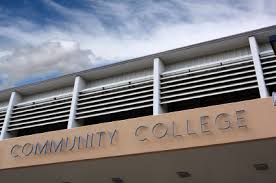
Financial aid, tuition and other expenses are also an important consideration to keep in mind. If you’re on a tight budget, it’s wise to consider an in-state university. Another option is attending a community college for two years and then transferring to another university. And don’t forget admission requirements. Research the universities you’re interested in, and make sure that you meet their admissions requirements.
List, compare, and visit your college choices.
It’s important to do your research before applying to colleges. Make sure the colleges you apply to cater towards your needs. Don’t apply to a college that doesn’t offer the major you want to pursue simply because it’s been labeled as a party school or a cool school. Go to as many college fairs as you can. Most high schools will offer a few throughout the school year. There are also college fairs in most major cities throughout the year that are often bigger than the ones put on by your high school, so make a point of attending at least one of these as well.
Make a pros and cons list of all your colleges, and then compare what each one has to offer. This is an easy way to narrow down your selection. Once you’ve weeded out the less appealing choices, it’s imperative that you visit as many of these colleges as possible. College visits offer you a chance to experience campus life, tour the school, and learn more about what each college has to offer.
Make sure your grades are in check.
It never hurts to do well in school. A high GPA will look a lot more impressive on your college applications than a mediocre one. Remember, you want your application to stand out among the rest. A high GPA will also give you a better chance of receiving scholarships, so if tuition cost is a factor in your decision making process, picking up the books will work in your favor.
photo courtesy of youvisit.com
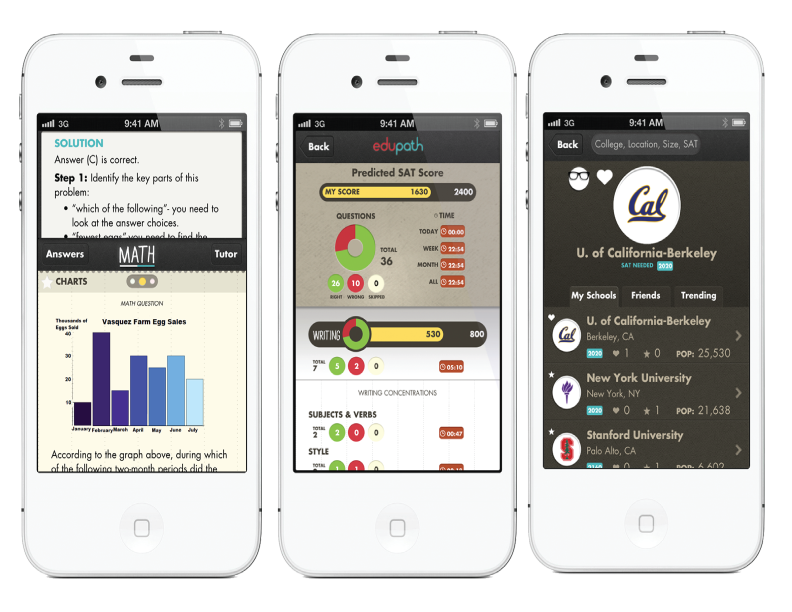
You’ll definitely want to take an SAT prep class, and, if your college choices require it, take an ACT prep course too. Prep classes are known to increase your score by at least 200 points. The Princeton Review, Kaplan, and Sylvan Learning Center all offer a variety of SAT and ACT prep courses to students. Whether you prefer a private tutor or a classroom setting, these programs offer a method for everyone, so research which classes are offered near you.
As you can see, there are many factors to consider when choosing a college. Be thorough with each of your choices, and make sure that the college you pick fits your needs to a tee. Having good grades and doing well on the SAT and ACT will go a long way, so remember to hit the books.
________________
You can follow CollegeFocus on Twitter at @CollegeFocus101 and Facebook at www.fb.com/collegefocus. Choosing which college to attend is an incredibly exciting, yet trying adventure. With hundreds of universities to choose from, it can be frightening and overwhelming at times. However, with proper planning and a great deal or research, it’s easier than you think to find the perfect college for you. Keep these tips in mind as you embark on this journey.
About the author: Kirstin Le Grice is a recent graduate of University of Colorado and a staff writer for CollegeFocus, a website dedicated to helping students deal with the challenges of college, including housing, finance, style, health, relationships, and transferring from a community college to a four-year university.
I heard some new terms the other day to describe parents. These were new terms to me so I did a little research online. Parents have become so involved in their student’s lives they had to coin two more terms to describe parenting styles (the first you most likely heard of before): helicopter parent, snow plow parent, and bulldozer parent. I can’t judge because if I were to be honest, I have exhibited some of the traits each one embodies.
But, seriously, has it become so bad that school administrators (from grade school to college) have to label us? Apparently it has. When it comes right down to it we should realize that this type of behavior only hurts the student. Of course, the student may not see the harm. After all, their parent is rescuing them from difficult situations in life. But in the long run, it hurts their quest for independence and causes strife within the family.
The Helicopter Parent
A helicopter parent hovers over their child. They keep tabs on their every move, text them 24 hours a day and have tracking apps on their smartphones to keep track of their child’s location at all times. Helicopter parents are ready to swoop in at a moment’s notice to help their child in any situation. Forgot their lunch—they take off at lunch to bring it to them. Forgot to bring a permission slip—they drop everything and bring it to them. Forgot to register for the SAT—no, problem; we’ll pay the late fee. Receive a text or non-emergency call during a meeting—they drop everything to respond. Overslept for school—they write a note to explain the tardiness.
The Snow Plow Parent
The snow plow parent goes beyond the hovering. They clear paths for their children and plow any obstacle that stands in the way of their happiness. Their children never learn how to advocate for themselves and head off to college to get lost in a sea of problems. As they get older, it’s harder for them to resolve conflict and overcome adversity. Honestly, I have to admit I did this with my daughter. The good news—I knew when to stop. The bad news—I did it much too long.
The Bulldozer Parent
A bulldozer parent is one who is involved in their child’s life, especially in school. This type of parent calls the teacher to complain about a grade they feel is undeserved. As their kids get older, they call the admissions office to plead their college-bound teen’s case for admittance. They spend the night in their son’s dorm the first week of college—the entire first week! (Yes, it’s a true story). Bulldozer parents bulldoze their way into their kid’s lives. They want to be friends with their friends. If their kids get into trouble, they are right there waiting to bail them out and make excuses.
How do we stop?
Be honest. Haven’t you been guilty of some of these? As with any problem you have to want to stop. You have to examine your parenting style and decide whether or not you are helping or hindering your kids. And once you determine the problem you should make an effort to correct it. Back off a bit, give your kids some space, and allow them to make mistakes and learn from them.
Always remember that an independent adult will be a functioning adult and a happier adult. You may say now you don’t want them to grow up, but when they are asking for your help at 30 you will be sorry you encouraged they dependence.
Soon enough your son or daughter will be off to college so that they can pursue their dreams and professional lives. Job recruiters and college admission officers say that one of the best ways for your child to know what he or she wants to do with their life career-wise is to find out what some of the most in-demand jobs are. It just makes sense to pursue those degrees since jobs after graduation are often difficult to find; if your student has an in-demand college degree they are more likely to get hired.
Here are 5 in-demand degrees for your college kid to consider in 2013.
1. Computer Science
With the rise of digital technology, computer science is one of the most popular degrees in 2013 and will be for the foreseeable future. In fact, over 56% of students who are studying to acquire some sort of computer science degree already have jobs. The need for qualified and diligent programmers and application developers is widespread in almost every business sector. If you want to have a stable, long-term career, computer science is your answer to a satisfying professional life with job security and a potentially large income.
2. Business Administration
Business administration is another degree that is quickly becoming more and more in-demand. During 2013, business administration degrees are seeing a peak, because despite the sluggish economy, businesses need employees that see the big picture and have an overall knowledge of the business environment. Venture funded technology start-ups are popping up with open positions. Many of these companies need qualified business administrators.
3. Accounting
Because the economy is the way it is, accounting is another degree that is seeing a rapid rise in popularity. Either you start your own private accounting firm and work on people’s taxes to find ways for people to save money on their returns, or you work for a government agency to help crack our major multi-trillion dollar deficit. Wherever you end up, a strongknowledge of tax calculators will help.
Accounting positions are always in demand because every business needs them. It’s also one of the best fields to pursue for continuing education; it’s fairly easy to obtain a bachelors of accounting for working adults.
4. Nursing
Next, nursing degrees are also hugely in-demand. However, it used to be that you could get by with a registered nursing degree or an RN, but now it is recommended that you get your BSN, or a Bachelor’s In Science and Nursing degree. It’s important that you enter an RN to BSN program. Many hospitals across the country are choosing nurses with a BSN over an RN degree. A bachelor’s degree communicates that the person has had more education and is better qualified.
5. Engineering
Lastly, engineering, will make you qualified for a host of jobs that span almost every business sector. If you get your civil engineering degree you can help plan your cities basic infrastructure, from highways to traffic lights and more. Other engineering jobs are widely available in the military, Silicone Valley, the medical field and anywhere else you can think of that needs the advanced thinking of an engineer. An engineer will also help build machines, creative devices, and devise solutions to help us live our lives more efficiently.
The next SAT dates are approaching–May 4 and June 1. For high school juniors, this is a great time to take the first tests, plan for future fall tests, and study over the summer to improve their score.
There are numerous schools of thought regarding test prep, the number of times to take the SAT/ACT, and whether or not tutoring and test prep helps. My goal–share the available resources and let you and your student decide what works best for you. I’ll even give you a resource for comparing test prep offerings, along with links for articles they have written.
This site allows you to compare the various offerings of some of the major test prep courses (cost, duration, online/offline).
Shop wisely because not all test prep programs deliver results. However, I can personally recommend all of the tutors I have listed above. Check them out first.
Parliament Tutors offers private tutoring and test prep for all academic subjects and standardized tests from New York to Los Angeles and everywhere in-between: K-12, Math Tutors, SAT prep, ACT, LSAT, GMAT prep, GRE tutoring & more.
The May 1st college deadline is quickly approaching and parents and students are making decisions about financial aid packages. Most likely, those packages will include some form of student loans–either Stafford or Perkins. Colleges also provide parents and students with private loan options to supplement the government aid when necessary.
No one wants to graduate from college loaded with debt, yet 60 percent of college students and their families borrow money each year to cover ever-rising tuition and fees, according to American Student Assistance. That’s because the average private college charges close to $40,000 a year for tuition, fees, room and board, while state universities average just over $17,000 a year. Out-of-state students at public four-year schools fall halfway between those costs, averaging just under $30,000 for the 2011-2012 school year, cited US News & World Report.
Financial aid — merit-based and need-based scholarships, grants, work-study programs and loans — has become a reality for the majority of college students.
A New Way of Life
The process of finding aid begins with completing the Free Application for Federal Student Aid (FAFSA) to determine expected family contribution (EFC) based on family income and expenses. There are 63 universities in the U.S. that claim to meet 100 percent of students’ financial need, as determined by the FAFSA. The cold hard truth is that the majority of students don’t attend these colleges and will need some form of financial aid.
Protect Yourself
While working through the process of acquiring funding for college, remain mindful of identity protection. Your soon-to-be college student can be especially vulnerable to identity theft because his or her personal data is easily accessible through grade postings, credit card applications and online transactions, according to the Dept. of Education.
Here are some ways to protect the identity of your student:
After completing the FAFSA, log off the page and close your browser.
Don’t use paid financial aid services that operate over the Internet or by telephone. The Department of Education offers its services for free and pages containing your private information are password-protected.
Do not reveal the FAFSA personal identification number (PIN) to anyone, even if that person is helping you fill out the form. The only time you should use your PIN is on secure websites.
Shred receipts and copies of documents with student identity information if they are no longer needed.
Review financial aid award documents and keep track of the amount of student aid applied for and awarded.
Make sure your student reports all lost or stolen identification (such as your student ID card) immediately.
Forgiveness
When your child graduates, the payoff amount on the loan may seem crushing. But your child has options: student loans, especially those connected to postgraduate professional education, sometimes can be paid off through public service. In 2007, Congress created the Public Service Loan Forgiveness Program to encourage individuals to work full-time in public service jobs. Borrowers who have made at least 120 payments on eligible federal student loans may qualify for forgiveness of the remaining balance while employed full-time by certain public service employers, according to StudentAid.gov.
If public service isn’t an option, loan repayments can be accomplished more easily by paying off private student loans before paying off federal loans.
Be Smart
Only borrow what you can afford to repay. There are numerous sites that provide student loan repayment calculators. Know your options before you borrow and educate yourself on student loan repayment. Research salaries for your career choice and always estimate using entry-level figures.
If you’re a parent of a college-bound teen you’ve been watching the Boston Bombings and subsequent manhunt in “parental mode”. Quite simply, you are wondering in your student will be safe at college and what would happen if they are caught up in a similar situation at the college of their choice.
I can’t stress enough the importance of researching the college’s emergency procedures–before you sign on the dotted line accepting admission. The May 1 deadline is approaching so it bears repeating that colleges are responsible for your student’s safety and they should have policies in effect to protect your student while on campus.
MIT got it right last week during the acts that occurred on their campus related to the Boston terror suspect manhunt. They have an emergency website dedicated to notifying the student body of imminent danger.
On this page you can sign up for email alerts and, more importantly, text alerts. Students always have their cellphones with them and this function should be available to all students on all campuses.
When the shooting of the MIT police officer occurred, administration immediately sent out an alert to students to stay away from the area. They also notified students there would be more updates to follow.
These 48 hours of tension among the Boston community and their heavy college student population serve to impress upon parents and students the importance of their college’s emergency notification system.
Heed this warning if you’re concerned about the safety of your college student. Do the research and find out what type of emergency procedures and guidelines are in effect. It will provide you with peace of mind and help you sleep a little easier at night.
When kids are in grade school, junior high, or even high school, parents have a great deal of influence when it comes to grades. For one thing, you have the ability to offer or deny rewards based on performance, including allowance, gifts, or even activities like slumber parties, trips, and so on. But you can also levy punishments for poor grades that include grounding kids, removing privileges, or taking away their toys (including video games and cell phones). And of course, they live in your home, so you can sit with them from the time they get out of class until they go to bed if that’s what it takes to ensure that they get their homework done. You can also call their teachers or even embarrass them by showing up for their classes to make sure that they’re paying attention instead of goofing off (chances are you’ll only have to use this tactic once in order to turn it into an effective threat). In short, you have many tricks up your sleeve to ensure that your kids work hard to get the good grades they’ll need for admission to their college of choice. But what can you do to keep them at peak performance once they fly the coop, head for campus and your college student’s grades drop?
Money talks
While you might not think that any of your old strategies will work once your kids head off to college, the truth is that you probably have a lot more sway than you imagine. This is particularly true if you happen to be paying for a significant portion of your students’ expenses. There’s nothing that says you have to put your kids through college, although of course, most parents want to ensure that their children have the best possible education and prospects for the future. The point is that college is a privilege, not a right, and it’s one that your students have to earn. So you should make the terms of your contributions conditional. Even though your kids might not be footing the tab for their time in school, they have to hold up their end of the bargain by receiving at least passing grades. Otherwise they’re throwing your money away.
Outline the rules and guidelines
What you need to do is enter into an agreement with the college-age kids in your household before they leave for school. If they want to have fun and waste time while they’re on campus, focusing on socializing rather than studying, make it clear that they can pay their own way. But if they’re willing to work hard for a degree and maintain a certain GPA, you should definitely do what you can to help them. Now, this is not to say that you shouldn’t give them a little leeway. One bad grade doesn’t necessarily mean they’re slacking – it could just be a particularly hard teacher or class.
Use tough love
However, should your students persistently suffer from poor grades, chances are good that they’re either clowning around when they should be studying or they’re simply not ready for the demands of a college schedule. In this case it might be time to cut them off financially or demand that they move home and attend a local college (where you can keep an eye on them) until they’re back on track with their grades. Further pursuit of education, such asHarvard Law or a USF MPA online, means they need to make their studies the main focus of their time in school. And if they simply aren’t getting the grades needed to graduate, you might have to draw a line in the sand on your end so that they learn a valuable lesson about decisions and consequences now, instead of later in life when you’re not there to catch them and set them back on their feet. Learning this lesson before grad school or permanent employment is much easier while they have your support in college.
It can be very difficult for students to choose the school that is going to offer them the best chance for future happiness and career success. And even with the input of parents, counselors, and peers, students occasionally discover that they’ve made the wrong decision and ended up at a college that really can’t offer them the program or coursework they need to get where they want to go. Plenty of students also change their minds about what they want to do after they’ve had a chance to take a few classes and see what their dream job actually entails. Then there are issues like cost and location that may lead students to seek an education at another institution. And many students go from community college to a 4-year institution. There are any number of reasons why students might consider transferring colleges. Here are a few things to consider when helping them make the transition.
Search for acceptable alternatives
In truth, there is little difference between applying for college initially and transferring to a new school except that you’ll need to get more transcripts sent. So the first thing you and your student should do is start looking for acceptable alternatives. The nice thing is that you’ve been through the process once before so you should have a better idea of how to get started, such as by reading reviews and seeking out schools that offer the type of program your student is interested in. If the major study hasn’t changed, you may even be able to repurpose some research on schools that didn’t make the cut the first time around but came in as second- or third-place options. However, if your student is considering a new major, you’ll simply have to begin again with schools that meet the new criteria.
Determine if current credits will transfer
Of course, there may be a few snags to contend with. On the upside, your student has likely completed some credits, which means he/she should have an easier time gaining admittance to a new school. This is especially true of students entering a new institution as juniors with their general education units completed, not to mention those who have managed to earn a high GPA thus far. However, you could definitely face some problems when it comes to transferring those credits. Although most accredited institutions will accept college credit from other such schools, an apples-to-apple transfer is not always possible.
For example, students going from a semester to quarter system, or vice versa, can face problems based on the number of units granted per class. And certain courses may not have an equivalent at a new school, rendering them virtually useless. Plus, every school is bound to have different requirements concerning prerequisites for specific majors. So you should address this issue right off the bat in order to find a school that will offer your student the best opportunity to continue along an educational path rather than having to backpedal and make up units.
Take a look at financial aid
If your student is receiving financial aid via merit scholarships from their current college they will lose that money if they transfer. Transferring students rarely receive any type of merit aid. Do your research and determine whether or not the new college will provide merit aid to your student, even though they are transferring. This might be a strong case to reconsider staying at the current college and finding a way to make it work.
Whether your student is interested in Ivy League institutions like Duke or Brown, state schools like UCLA or the University of Cincinatti, or even technical colleges, transferring colleges can be a trial. But with proper planning and attention to detail you can help to ensure that your kids find that right schools for their wants and needs, even if they’re already on the collegiate path somewhere else.