Category Archives: parenting

School shootings–What’s a parent to do?

Police officers investigate the scene of a shooting near Texas A&M University on Monday in College Station, Texas

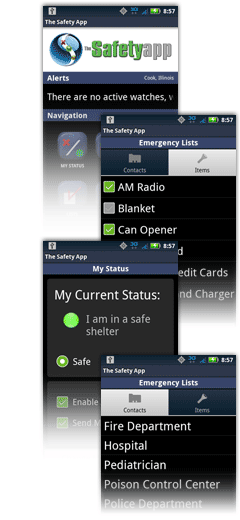
I just got a news update on my iPhone saying that police had shot and killed a gunman at Texas A&M University this afternoon. The details are sketchy right now but it made me think about the importance of campus alert systems and some of the questions parents need to ask during the selection process.

Texas A&M responded quickly:

Texas A&M issued a Code Maroon — the university’s emergency notification system — at 12:29 p.m. CT (1:29 p.m. ET), telling people to avoid the area where there was a report of an “active shooter.” The entire ordeal lasted around 15 minutes, with an 12:44 p.m. update also posted on the university’s website indicating the alleged gunman was by then “in custody.”

Every parent of college-bound teens should ask this question during the campus visit (preferably not in the presence of your student):

What systems do you have in place to protect my child in the event of an emergency such as the Virginia Tech shooting?

The American Council on Education published a list of questions school leaders should ask themsleves. Parents should expect answers to these questions when discussing this issue with campus security:

  1. Has the school done a full assessment of potential catastrophic risks, and does it have plans in place to address these risks?
  2. Does the school have an appropriate emergency team in place? Do team members regularly participate in emergency preparedness exercises?
  3. Does the school have multiple means to communicate with students, faculty, and visitors in the event of an immediate, ongoing emergency situation? Do plans exist to direct people to a safe location?
  4. What communication and coordination networks exist among campus security leadership, local law enforcement, political officials, first responders, and health officials, both on an ongoing basis and in case of emergency? Is there a specific integrated emergency response plan? Do all the agencies who might be involved in emergency run drills on campus to prepare?
  5. Is the training of campus security personnel appropriate to potential risks?

The president of Virginia Tech also mandated several internal reviews following the VT tragedy to evaluate the school’s existing emergency plan. The review committees’ recommendations included the following (things you should expect from your own school’s emergency plan):

  1. Classroom door locks that are modified.
  2. Video surveillance cameras, centrally located and monitored.
  3. Electronic key cards for controlled access to facilities.
  4. Mass communication outlets (e.g., phones and Internet access) within classrooms.
  5. Frequent emergency drills.
  6. Emergency response protocol with awareness education.
  7. Campus security committee and master plan.

Before sending your child off to college, do your homework. Make sure that if something bad does happen, the incident and the students get the attention they deserve. If you know the plan and have assurance that the college has implemented specific procedures to facilitate it, you will worry less and sleep better at night.

More on campus safety:

 6 Talking Points on Campus Safety

Prepping your college-bound student in campus safety

Smartphone apps for your students

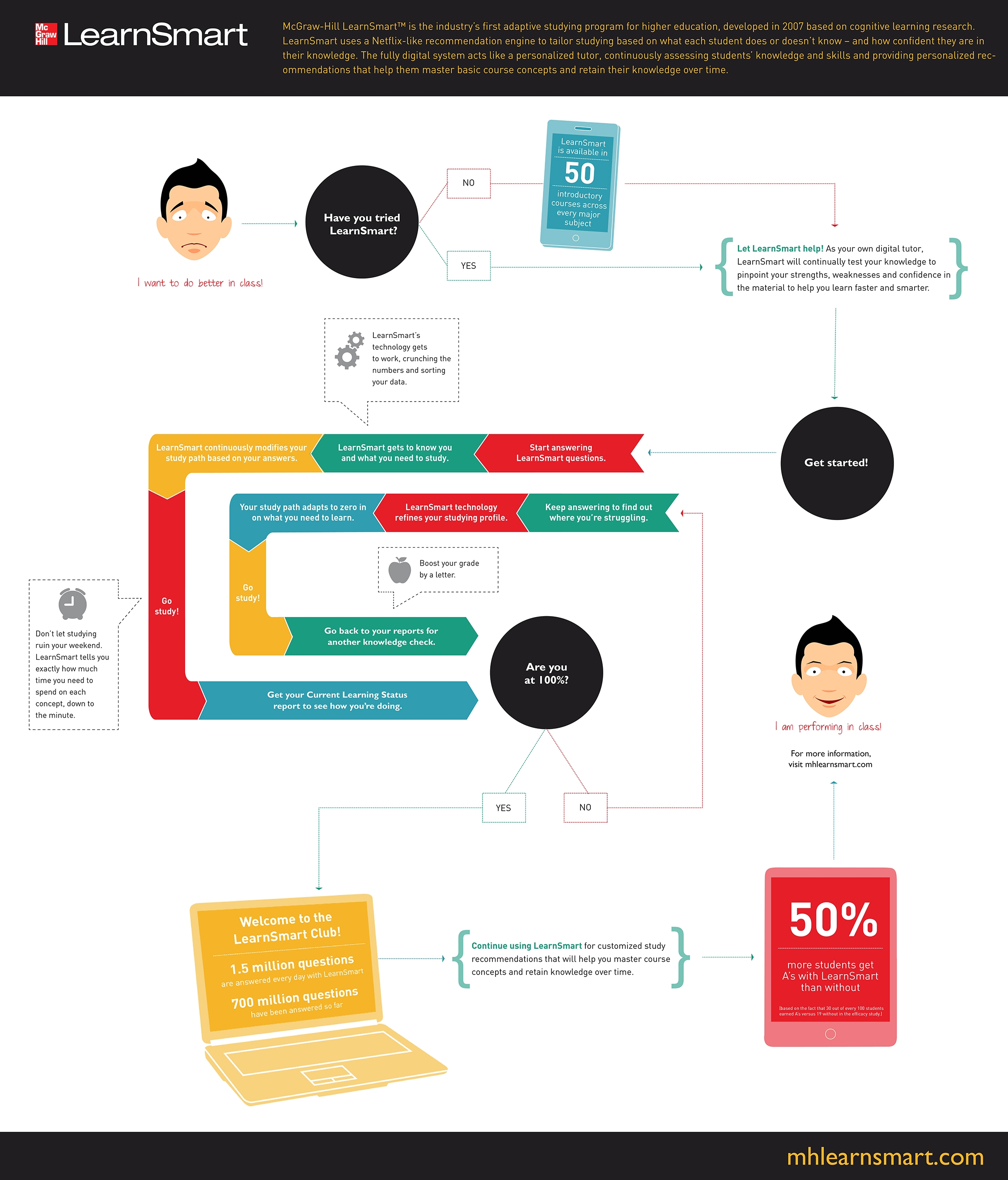
It’s back to school time again and parents are searching for all types of study tools for their students. Smartphone apps are becoming great tools for education.

The Online Mom has partnered with Lookout and produced a Smartphone Guide for Parents. Take a look and download your own copy.

Here’s an infographic that shows the many benefits of smartphone usage in education.

Connecting Apps & Education
Provided By: OnlineColleges.net

Your parent arsenal-strength for the journey

It’s Friday and Twitter’s Follow Friday event reminded me that there are so many parents out there in cyberspace looking for help along the college admissions journey. Here’s a short list of helpful “parents” (along with myself, of course) that you should bookmark, follow and tap into on Facebook for the best encouragement and parent support along your journey.

Jane Kulow (@CvlKulow)

Jane is a parent of college-bound teens and the owner/author of a blog that has chronicled her admissions journey with her kids (Dr. Strange College-or how I learned to stop worrying and love the journey). Her blog is jam-packed with great information, parenting encouragement and tips to help you sift through all the information you are bombarded with during the college admissions process.

Nancy Berk (@NancyBerk)

Nancy is also a parent who has survived the journey and written about it in her “hit” book, College Bound and Gagged. Nancy gives parents a comedic break by helping you laugh at yourself and your kids during this stressful time. There’s nothing better than a little laughter to ease the stress and help you see the bigger picture.

Z. Kelly Queijo (@collegevisit)

Kelly is the mastermind behind Smart College Visit, a website providing you with information and resources to help make the college visit a success. Her tools to help you plan your college visits provide parents with all the resources they need in one place. Her cool “mobile app” for Virginia Tech is the first of it’s kind!

Monica Matthews (@AidScholarship)

Monica is a parent herself and she is the scholarship guru, finding scholarships for her sons and teaching parents to do the same. Her simple ebook, How to Win College Scholarships, walks you through the process step by step.  She also blogs, giving parents tips and scholarship updates on a regular basis.

Paul Hemphill (@vcollegeadvisor)

Paul learned the hard way that colleges aren’t necessarily a parent’s friend. His frustration with the admissions process during his sons’ journey, prompted him to help other parents and students learn the secrets to take charge during the journey and “win” in this highly competitive process. His video series is second to none and every parent needs to arm themselves with his arsenal of sage advice.

This is just a short list of parents out there offering you help along your journey. Be an informed parent and tap into their advice and wise counsel. Parents helping parents–what better way to survive the journey?


How to Help Your Middle-School Student Get Ready for College – 3 R’s and 3 T’s


Today’s guest post was written by Carol Barash, PhD., Founder and CEO of Story To College (www.storytocollege.com) © 2012 Story To College.  All rights reserved.

********

I’m often asked, “What can I do to help my middle-school child get ready for college?” Here are what I call the 3 R’s and 3 T’s of college readiness – 6 skills you can teach your children in middle school and even earlier:


Resilience:  A vital skill – for college and life – is learning to pick yourself up when you fall, learning what every moment has to teach you, and staying in the game when things get tough. Athletes learn this, as do Girl Scouts selling cookies. Children need to fail to learn. If you teach them to avoid failure, or sweep away all the broken pieces too quickly, you prevent their growth and learning.

Reflection: Colleges look for students who view situations from multiple points of view, in class and out. Before your child moves on from a sticky situation, help them mine it for learning. Ask open-ended questions like “What could you have done differently?” “What does this look like from the other person’s perspective?”

Refresh: Help your child develop a “refresh” button – whether they use prayer or yoga, running or just counting to 10 and taking a deep breath when situations get tense, neuroscience studies show that people with the ability to let go of stress through some form of meditative practice live longer, healthier, happier lives.

Take Time:  The earlier your child learns to manage and plan their time the better. Get out a calendar or online planning tool and help them plan their schedule weekly, blocking out time for the most important activities first. Want them to learn more and get better grades? Teach them to block out time to study above and beyond what’s assigned in school. Going on a family vacation? Encourage your children to go on the web and help with planning.

Take Action: Middle school is a great time to take on activities with your child that build a foundation for their independent thinking, learning and service in high school and college. Many of the best family projects are low cost and great for building family connection too – such as working in a local soup kitchen, at a town cleanup day, or visiting a museum.

Take Note: At Story To College we want everyone to write with ease and confidence not only on college admission essays, but also in college and on the job. If you want to become a better writer, the #1 thing is to write more often. Even 15 minutes a day – in a journal or a file on your computer – will help to keep your ideas flowing and make it easier every time you face a new writing assignment.

The most important thing is to help your child identify and pursue their passions and, wherever possible, work and learn side-by-side with them in the middle school years.


A little laughter from Dr. Nancy Berk

Sometimes we just need to laugh about the college admissions process and Dr. Nancy Berk always obliges. Take a few minutes today, watch the video, and remember that in the college process, laughter is ALWAYS the BEST medicine!

5 Reasons to take another look at your 2nd choice colleges

Some of my favorite lyrics from a Rolling Stones song state a very simple truth:

You can’t always get what you want

But if you try sometimes, you just might find

You get what you need.

If you have a teenager in the house, they have probably learned this lesson long before the college application process. As you grow older (and hopefully wiser) you experience this reality in life and come to realize that those forks in the road often mean greater opportunities for growth and adventure. Your teen, however, might not be as open to this philosophy, especially when it comes to their college choices.

Here’s the good news, however. I have 5 very GOOD and LOGICAL reasons to take a another look at your 2nd choice colleges:

  1. Everything happens for a reason–How many times have we all said this to our children? There could be a dozen reasons why their 1st choice college didn’t offer them admission or enough financial aid to attend. Admissions counselors tell us that each application is a subjective process and they can’t admit everyone. While it might seem like a rejection to your teen, in reality it’s their decision that your student might not be a good fit for their college. Take that as a cue to move on and find the college that feels they ARE a perfect fit!
  2. In the light of day everything seems different–College choices are often made based on peer pressure, parent pressure and status. After all the hype and stress of applying, it’s easier to sit down and look at the choices your student made in a more objective light. The pressure of applying is now gone and all you need to do is thoughtfully evaluate those colleges that have offered admission. The ball is now in your court–you get to decide!
  3. A closer look might reveal a hidden gem–Take some time and diligently investigate the colleges further down on the list that have offered acceptance. Compare offers, visit their campuses again, talk to current students and be open to discovery. You never know what you might unearth in the process.
  4. Those other colleges on your list are more than sloppy seconds–Your 2nd and 3rd choice college made the list for a reason. Don’t look at them as sloppy seconds, but realize that they could have been your 1st choice all along. How many of us have passed over life choices, only to realize later that we discounted their value and missed out on amazing opportunities.
  5. What you NEED is always better than what you WANT–It’s true. We often want things that aren’t always the best for us. We teach our kids to pursue needs before wants; the same can be true for the college choices. Your teen may want an Ivy League logo on their vehicle, but what they need might be a small private university with smaller classes and individual attention.

Parenting a college-bound teen means you will be facing disappointment throughout the college admissions process. Use those opportunities to teach some life lessons that your student can take with them to college. If they learn these lessons before they leave home, college will be a much more enjoyable experience.

**********

For 5 reasons why your 2nd choice college might be your BEST choice, visit my colleague Wendy David-Gaines’ blog (POCSMom). Wendy was a (POCSmom) Parent of a College Student and was once a pre-POCSmom as well. She likes to help parents de-stress during the college process and has written a book of stories and anecdotes to help parents see the lighter side of college. You can also subscribe to her FREE monthly newsletter for some great POCSmom tips

“College Bound and Gagged” left me ROFLMAO


I know text speak is not appropriate blogging title content, but there really is no other way to describe the experience I had reading Dr. Nancy Berk’s book, College Bound and Gagged. Nancy takes the everyday aspects of the college admissions process and puts them into terms that parents can easily understand and relate to by using humor. And if that’s not enough, she sprinkles some of the best college admissions advice along the way by tapping into her own personal experiences and her network of college experts that she utilizes throughout the book.

What did I LOVE about Nancy’s book? She allowed the reader to go inside her own college admissions process with her son and experience all the trepidation and angst that goes along with it. She adds humor by describing parent archetypes so you can avoid those types of behaviors during the process. Her “5 Tips” sprinkled throughout the book simplify each step in the process and her “Top Tips” from college experts put you inside the heads of those who are “in the know” about college admissions.

Quite honestly, every page of her book had me laughing and saying, “Man oh man, do I remember that statement coming out of my daughter’s mouth!” Then Nancy helps you put it all into perspective and get you to the other side of the drama giving you insight into the perfect mental and emotional response.

Here’s an excerpt from her book of a conversation between Nancy (denoted as “me”) and her son (denoted as “teen”) related to college selection:

Me: What about Texas?

Teen: I don’t think I can go anywhere where they speak with southern accents.

Me: But you have a Pittsburgh accent. This really isn’t the place to start throwing stones.

Me: (after deep breath) What about Ohio? There are so many great schools in Ohio.

Teen: I’m not going anywhere that borders our state.

Me: (rough calculations look like he’s eliminated five additional states and Ontario; I am determined to figure this out) And why is that?

Teen: It just doesn’t feel right.

Or this conversation related to college visits:

Son: I’ve seen enough, let’s go.

Parent: But we haven’t even parked the car yet.

Son: You don’t think I can tell already? I DON’T like it here.

Parent: But we’re finally here. Let’s get out and look around.

Son: Nope. You go ahead if you want to. I’m just gonna wait here.

Zing! Every parent can relate to these types of conversations from their college-bound teens and Nancy knows how to get you through them with a little humor and a dose of common sense coping tactics.

After reading this review, I know that you MUST have your own copy and here’s your chance to win one. Nancy has donated a copy for me to give away to one parent and here’s what you will need to do to be eligible for the drawing:

  1. Leave a comment here with your name and email address; then…
  2. Go to my Facebook Fan page and leave a comment on my wall telling me why you NEED Nancy’s book.

On February 8th, one lucky parent will win a copy of College Bound and Gagged to peruse its content and learn all they need to know about surviving the college admissions process.

Good luck!


What do you do when a college rejects your student?


Colleges have been responding to the early decision/early action applications and students across the country have received those long awaited acceptance/rejection letters these past few weeks. Hip hip hoorays are easy to handle and a welcome addition to the holidays. Feelings of rejection can cloud the family’s holiday spirit and make it difficult to celebrate while facing the disappointment.

What do you do when that ill-fated letter arrives? How do you handle your feelings? How do you handle your student’s feelings? How to turn lemons into lemonade?

When the letter arrives

When the letter arrives and is opened you may want to try and spin it into a positive. Resist that temptation. It’s upsetting to both you and your student. Allow some time to display the emotions related to the disappointment and the feelings of rejection. It’s only natural to feel them and it certainly hasn’t been the first or the last time your student will be disappointed.

Your feelings

Parents take these letters personally. How dare they reject MY child! Our disappointment can often overshadow the feelings our student has. Be careful and don’t project your disappointment on to your student. He/she feels bad enough already; the last thing they need to feel is that they disappointed their parents by not getting accepted.

Your student’s feelings

Every student reacts differently. Some might shrug it off (to your surprise) and others might see this as the end of their world as they know it. The hardest part of this whole college process is dealing with disappointment and rejection. All the truisms in the world won’t help at this moment. Hold them, hug them, and let them know that you feel their pain. Don’t spout off truisms like “it will be ok” or “you don’t want to go there if they don’t want you.” Your student needs the time to deal with their disappointment and move on.

Embrace the life lesson

Once the time has passed and your student is able to be objective, use this as a life lesson. Remind them that there is a place for them and that there is a college where they will feel wanted and accepted. Point out that life is filled with disappointments that often turn into opportunities and you never know what lies ahead on the path you might not have originally chosen.

Every child faces disappointment and rejection throughout their life and a parent’s goal should be to help them face those hurtful times with love and perspective.


10 Things High School students can do over holiday break

Christmas is just around the corner and students will be out of school for the holidays. Instead of watching them veg out on the couch or listening to the usual “I’m bored” diatribe, suggest these alternatives instead:

Learning Opportunities

  1. Spend the break reading—It may not be on your list of “fun activities” (unless you are a bookworm) but reading will a)improve your vocabulary, b)enhance your knowledge of the world around them, and c)increase your reading comprehension ability.
  2. Do some SAT practice tests or bone up on vocabulary—In just a few minutes a day you can add to your SAT vocabulary and in just an afternoon you can take a practice test to get a feel for the SAT and discover your strengths and weaknesses.
  3. Work ahead—Even though you’re on break, there are future assignments looming ahead and now is your chance to work ahead and start the next semester with an edge.
  4. Watch the History Channel or the National Geographic Channel—You might be surprised at how much you will learn watching these channels. If you want to veg out on the couch in front of the television, at least choose some educational programming.
  5. Check out iTunes UniversityiTunes University is an excellent way for you to get an idea of what college courses might be like. It’s free and there is a wide array of subject matter to choose from. You can access it on your iPhone, iPad or iTouch or by downloading iTunes on your computer.

One thing high school students can’t afford to do waste is time. Those valuable minutes (even during holiday breaks) can add up to invaluable opportunities.

Working Opportunities

Visit my colleague Wendy David-Gaines’ blog (POCSMom) for the last five activities (6-10) your high school student can do over their holiday break.

Wendy was a (POCSmom) Parent of a College Student and was once a pre-POCSmom as well. She likes to help parents de-stress during the college process and has written a book of stories and anecdotes to help parents see the lighter side of college.


Early college preparation pays off

I read two articles and a report today that underscored the importance of starting the college preparation process early:

Math in preschool

Is 6th grade the key to ending the dropout crisis?

The Forgotten Middle (A College Readiness Report)

While I don’t advocate pressuring students in grade school about college or applying undue stress related to college preparation, there are some things that parents can do to assure their students are prepared when the college decision-making time roles around. Here are a few suggestions:

  1. Encourage your student to read, read and read–a strong vocabulary that you can only get from reading will benefit them throughout high school and into college; not to mention it will help with SAT/ACT testing and essay preparation.
  2. Make sure your school’s math and science programs are up-to-par and that your student participates with a strong concentration in both subjects–these courses are crucial to your student’s critical thinking ability and their success with challenging college curriculum.
  3. Teach your student to set goals and follow steps to attain them–if you start early, you are preparing your student to be successful in high school, college and in life.
  4. Before entering high school, have a talk with your teen about the importance of grades and academic success over the next four years–their grades are more than just letters on a piece of paper; they will determine how colleges view them and the amount of merit aid they receive. Strong academic performance = admission and scholarships.
  5. Help your student find his passion–a non-academic activity/hobby/interest to pursue, grow and excel throughout school and beyond. This is fun, social and ego-building, and colleges want to see this, too. (Thanks to Wendy at POCSMom for this additional tip!)


These may sound like simple or even obvious suggestions, but these few suggestions, if followed, can put your student on the path to college readiness and even college success. Positive proactive parenting can play a huge role in the college admissions process.