
As parents, we spend years preparing our children for college. We encourage them to earn good grades, take challenging classes, study for the SAT or ACT, participate in extracurricular activities, and build a strong college application. We worry about whether they will get accepted, how we will pay for college, and whether they will be prepared for the academic demands ahead.
But once our students arrive on campus, what will help them truly thrive?
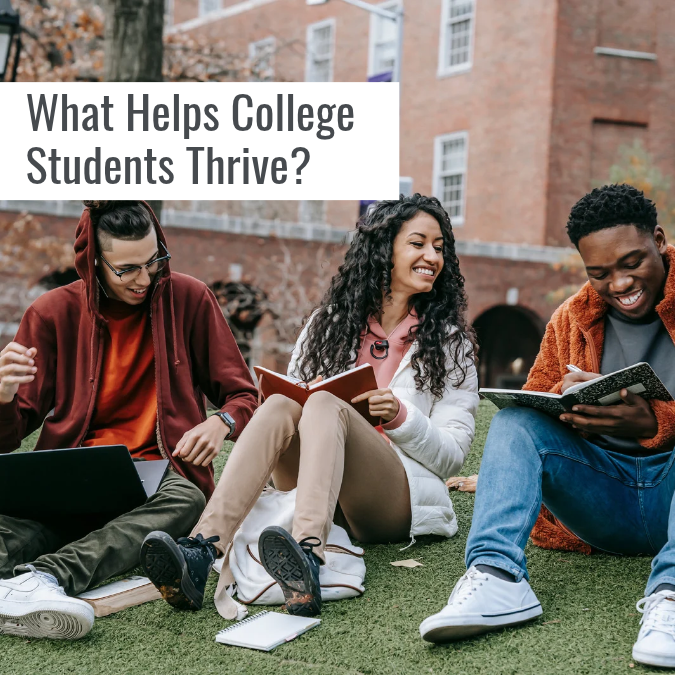
A new study analyzed 79,246 students and was published in the Journal of American College Health. It offers an interesting answer, and it may not be what many parents expect. According to research involving nearly 80,000 college students in the United States and Canada, spending time with friends and other people in person was the strongest predictor of student flourishing. In other words, meaningful social connections were more closely associated with students’ overall well-being than factors such as sleep, exercise, or studying.
The findings, reported in The Independent in an article by psychology professor Roxanne Prichard, offer parents an important reminder: preparing our children for college means more than getting them ready to succeed in the classroom. We also need to help them develop the skills and relationships that will support them throughout their college years.
Why Friendships Matter More Than We Might Think
The researchers examined 51 different aspects of students’ lives to understand what contributed to their well-being. They looked at everything from financial stress and sleep problems to social activities, substance use, studying, and relationships.
The goal wasn’t simply to determine which students were free from mental health challenges. Instead, the researchers wanted to understand what helped students flourish—a broader concept that includes supportive relationships, a sense of purpose, meaningful activities, and overall life satisfaction.
The strongest factor associated with flourishing was the amount of time students spent with other people. Students who socialized with friends, participated in student organizations, and attended cultural events tended to report higher levels of well-being.
That finding is especially relevant today. Technology makes it easier than ever for students to communicate, but communicating through a screen isn’t necessarily the same as spending time together in person.
The study’s authors noted that the percentage of U.S. high school seniors who reported seeing friends face-to-face almost every day fell from 44% in 2010 to 32% in 2022.
For parents, this raises an important question: Are we preparing our teens to build relationships and find their place in a new community, or are we concentrating so heavily on academics that we overlook this essential part of college life?
College Is About More Than Grades and a Degree
It’s easy to think of college success in terms of a GPA, internships, and eventually landing a good job. Those things matter, of course. But college is also a time when young adults learn to live independently, make decisions, build friendships, and navigate relationships without their parents nearby.
For many students, especially those leaving home for the first time, this transition can be difficult. They may be surrounded by hundreds or thousands of other students and still feel lonely. They may attend classes all day but struggle to find people with whom they feel comfortable.
This is one reason college fit deserves more attention during the college search.
When families compare colleges, they often focus on rankings, majors, tuition, location, and financial aid. Those are important considerations, but parents should also encourage their teens to think about the kind of campus community in which they are most likely to feel connected.
Does the college offer clubs and organizations that match their interests? Are there opportunities to participate in intramural sports, volunteer projects, cultural activities, or campus events? Is the campus residential and community-oriented, or do many students commute and leave after class?
There is no single right answer. An introverted student doesn’t need to become the most active person on campus, and a commuter student can build meaningful relationships, too. The goal is to find an environment where your student can develop connections that feel natural and sustainable.
When visiting colleges, encourage your teen to look beyond the admissions presentation. Observe how students interact with one another. Ask current students how they spend their free time and how easy it was to make friends during their first semester.
A college may look impressive on paper, but your student also needs a place where they can imagine building a life.
The Second Finding: Having Responsibilities Can Be Good for Well-Being
Another interesting result was that time spent on obligations, including paid employment and unpaid family responsibilities, was also strongly associated with student flourishing.
This may surprise parents who worry that a part-time job or household responsibilities will distract their teens from schoolwork. Yet having responsibilities can help young people develop a sense of purpose, contribution, and belonging.
A student who works part-time may develop relationships with coworkers, learn to manage a schedule, and gain confidence in handling everyday challenges. A student who volunteers may discover a cause that matters to them. Even contributing to family life can help teens recognize that their efforts make a difference to others.
This doesn’t mean students should overload themselves with work or activities. College students already face academic, financial, and personal pressures. The point is that meaningful engagement in life outside the classroom can be valuable, too.
As your teen prepares for college, look for age-appropriate opportunities to practice responsibility. Encourage them to manage commitments, follow through on obligations, contribute at home, and explore activities that give them a sense of purpose.
These experiences can help them build the independence they will need when you are no longer there to remind them about every deadline or responsibility.
Relationship Skills Matter—Especially When Problems Arise
The study also found that difficulties navigating interpersonal relationships were particularly detrimental to well-being. Conflicts with friends, romantic partners, and roommates can take a toll on a student’s college experience.
This is worth considering before your teen leaves home.
Living with a roommate, resolving disagreements with friends, communicating with professors, and finding a new social circle all require skills that develop through practice. Some students will handle these transitions naturally. Others will need guidance and encouragement.
Parents can help by allowing teens to work through everyday disagreements rather than immediately stepping in to solve every problem. When a friendship becomes complicated or a group project creates tension, ask questions that help your teen consider different perspectives and possible solutions.
You might ask, “What do you think the other person understood from that conversation?” or “How could you explain your concerns without making the situation worse?”
The goal isn’t to leave your teen to handle every difficult situation alone. It’s to help them develop the confidence to communicate, set boundaries, apologize when necessary, and seek help when a problem becomes too difficult to manage.
These skills will serve them well beyond college.
What About Sleep, Exercise, and Screen Time?
The study’s findings should not be interpreted to mean that sleep, exercise, and healthy habits are unimportant. The researchers found that sleep problems, problematic substance use, and passive screen time were associated with lower well-being.
Rather, the findings suggest that social connection deserves a place alongside these familiar aspects of student health.
Parents sometimes focus on limiting screen time because they worry about its effects on their children’s mental health. That concern is understandable, but simply telling a teen to put down a phone may not solve the underlying problem.
What matters is helping young people build lives that include meaningful alternatives to passive scrolling. Encourage activities that bring them together with other people: playing a sport, joining a club, volunteering, attending community events, or simply meeting a friend for a conversation.
For college students, that might mean putting a club meeting on the calendar, eating meals with classmates, or making time for friends even during a demanding academic week.
Sleep and exercise should remain priorities, too. A healthy routine can make it easier for students to manage stress and participate in campus life. The objective is balance, not choosing one aspect of well-being at the expense of another.
How Parents Can Help Before College Begins
You don’t have to wait until your teen moves into a residence hall to begin preparing them for the social side of college. In fact, high school is an ideal time to practice these skills.
Encourage friendships beyond social media. Give your teen opportunities to spend time with friends in person. That might involve participating in school activities, joining a community group, or making plans outside the house.
Help them explore their interests. Clubs, volunteer work, sports, creative activities, and community involvement can help teens meet people who share their interests. These experiences may also give them ideas about what they want to pursue in college.
Let them solve age-appropriate problems. Resist the urge to intervene immediately when a minor disagreement or misunderstanding occurs. Offer advice, but give your teen room to practice handling the situation.
Discuss college life beyond academics. Ask your teen what they hope their college experience will be like. Talk about friendships, independence, campus activities, and how they might respond if they feel lonely or disconnected.
Consider social fit during college visits. Encourage your student to investigate campus organizations, residential life, student support services, and opportunities to get involved. Finding a community is part of finding the right college.
Keep communication open. Once your student leaves home, make it easy for them to talk honestly about their experiences without feeling that they must always report success. They need to know they can tell you when things are difficult.
Learning when to offer guidance and when to step back is an important part of preparing your teen for independence. My article on coaching your college-bound teen offers more advice for supporting your student throughout the college preparation process.
Most importantly, recognize that making friends takes time. Some students find their people during orientation week, while others need a semester or longer. A slow start doesn’t necessarily mean your student chose the wrong college or will struggle throughout the experience.
Social Connection Is Not a Substitute for Mental Health Care
There is an important distinction between supporting well-being and treating a mental health condition.
The study identified factors associated with flourishing, but it does not prove that spending more time with friends will, by itself, improve every student’s mental health. Students who are struggling with depression, anxiety, or other mental health concerns may need professional support.
Parents should take persistent changes in mood, behavior, sleep, or functioning seriously. Encourage students to use campus counseling services, student health resources, or appropriate outside care when needed.
Social connection can be part of a supportive environment, but it should never be presented as a cure for mental illness. Students who find relationships difficult may need additional help to build those connections, and that is nothing to be ashamed of.
The College Preparation Lesson Parents Should Remember
We all want our children to leave college with the education, skills, and opportunities they need to build successful lives. But success is about more than earning a degree or securing a good job.
A fulfilling college experience can also mean finding supportive friends, discovering meaningful interests, learning to navigate difficult relationships, and developing a sense of belonging in a new community.
This study is a reminder that those experiences deserve attention during the college preparation process. As you help your teen compare schools, complete applications, and plan for the financial demands of higher education, make room for conversations about the kind of life they hope to build on campus.
You cannot choose your student’s friends or guarantee that every semester will be easy. But you can help your teen develop the confidence, independence, and relationship skills that make it easier to find and maintain meaningful connections.
And sometimes, one of the most valuable things we can do as parents is remind our children that college isn’t just about working hard to get somewhere. It’s also about learning how to live well once they arrive.