
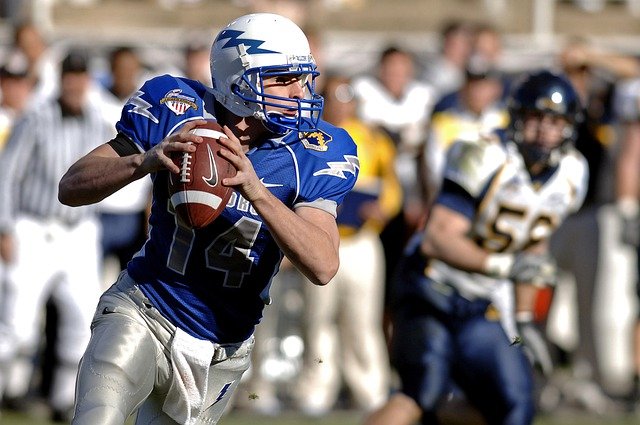
Most of us have seen the movie Blind Side. The young man achieves his dream of a college education by receiving a full-ride athletic scholarship to the University of Mississippi. While this was indeed a true story, it is apparently a rare occurrence.
Karen Weaver, an Ivy League-educated consultant shared her expertise on the athletic recruiting process. Karen’s experience includes positions as a Director of Athletics, adjunct professor, and head coach for schools at the NCAA Division I, III, and small college levels.
She outlined some key factors regarding athletic scholarships:
- Football in Division I offers 85 full scholarships…no other sport comes close. Next is womens rowing at 20.
- Olympic sports scholarships usually in $3-5,000 per year range…sometimes alot less.
- Full ride is real, but only mostly for Top football and basketball players
- All grants are one year, potentially renewable, but not always…and if you get injured…you could lose it.
- There is 22 times more academic aid available than athletic aid. Where are your priorities?
- Please know there a VERY few full rides out there for non football or basketball players…just reality.
- There can be alot more availability of academic aid at small privates, which tend to be DIII–no athletic aid there, however
- Big mistake parents make is ONLY focusing on what the coaches say or do–they are a small part of what makes up a campus.
- It’s important that coaches are only a facet of developing a feel for the college–too many times the parents rely only on the coach.
Parents should guide but not lead–especially as it gets closer to college years…student must develop relationship with the coach.
Building a connection often starts with clear communication and many coaches rely on a structured approach to initial outreach. A well-composed college coach recruiting email can make a strong first impression, demonstrating a student’s maturity and genuine interest. These emails typically detail academic achievements, athletic highlights and a clear expression of why that specific program appeals to them. Knowing what information to include and how to present it concisely is key to standing out in a coach’s inbox.
In most sports today, college coaches start building files on 9th graders–but basketball recruits 7th grade!
Bottom line–If you have a student athlete, concentrate on academics first. Colleges look at the all-around persona, not just the athletic prowess. Academics should be the focus first, with athletics being a part of the overall package. And…don’t depend on a full-ride scholarship unless they play football or basketball. Competition in these arenas is fierce.