Tag Archives: parenting

5 Experiences to Have With Your Child Before College

before collegeYour child is finally leaving for college. It may seem just like the other day that you were seeing them off to their first day at school. Now, you are helping them pack away their things, so they can further their education and help change the world. This can be an emotional experience for both parent and child alike–even if the child won’t admit to it. To make sure that both parent and child make the most of their last few months living together, here are a few experiences that you can share before college.


1. Cooking Class

Whether you’re the cook of the family or not, teaching your child how to fend for themselves in the kitchen is crucial to their survival and health. New college students tend to gain some weight at the beginning of school until they find their feet. You can help them by either bringing them into the kitchen with you or signing up for cooking classes together. This can be a fun experience to share together. You can laugh, solve problems together, and forge fond memories that your child will always remember whenever they cook that dish. 

2. Take A Trip 

This should primarily be done one-on-one or with both parents involved. Whether it’s to their favorite place or somewhere no one has been before, take the moment to enjoy the time with them. You can impart a few lessons about living on their own along the way. Make sure you take some photos, too, to record this last great adventure as a shared family. You may want to choose a quieter setting, too, so you can have those important discussions about safety, health, and any words of wisdom you gleaned from your college days. 

3. Family And Friend Time 

While they may not believe it, your child is likely going to be saying goodbye to their friends, too. One excellent way to send them off and still have an experience with them is to host a dinner party or pot-luck with friends and family. Only those closest to your child and the closest family members should be invited. This get-together is to celebrate the triumph of your child as well as to send them off with love and wisdom. Just make sure that they don’t spend all of that time with friends. 

4. Give Them An Experience Down The Line 

Sometimes words can be hard to say face-to-face. A way around this and ensure that you’re still telling your child everything that is in your heart is by writing a letter. You can tuck this away into their luggage in a place that they’ll find the letter. Not only does this make for a final experience for them to share with you later when they’ve moved into their place, but it could help curb some of the inevitable homesickness. This letter can ensure your child how much you love them. 

5. Adulthood 

Because schools don’t normally equip children with what they need to know to survive in the day-to-day world, you’ll need to take those lessons upon yourself. It will be boring, but it’s the best thing you can do to make sure your child isn’t lost. Take the time to show them how to use an ATM machine, how to open a checking/savings account, how to pay taxes, basically, everything that an adult needs to know how to do. They’ll hate it, so did you at one point, but it will prepare them for the future. 

It may be hard to admit, but your child has grown. Making sure that your child knows they are loved and always welcome back home is the best thing you can do for them. By ensuring that they know there isn’t any shame in coming home, they can face the future with strength.

_____________________________

Today’s guest post is from Hayden Stewart, a contributing author and media specialist for MyKlovr. He regularly produces a variety of content centered around the transitional obstacles that come from students moving from high school to college life and how to succeed once there.


Parent vs. Student: Conflicts About College

conflicts about collegeAsk a high school student (without a parent present) and most would tell you that they want to go to college for a) the social scene (aka partying), b) to get away from home and their parents, and c) to get a degree so they can get a high paying job after graduation. Ask a parent about the reasons they want their kids to go to college and they will tell you unequivocally that it’s for an education which will lead to a good job after graduation.

These goals differ dramatically and often cause conflicts about college choices, college majors and college location. Why are parents and students so far apart and how can you help them see things from your perspective or help them find a balance?

Academics vs a social life

Parents send their kids to college to study and excel academically. They see the money they spend as an investment in their future and would prefer that their kids not sacrifice academics for a social life. The reality is that students need both. A socially active student is a happy student. College is more than studying, tests and grades. It’s about having life experiences that help them mature as adults. Most college graduates say they learned much more in college than just academics.

The key is to help them find a balance. Before they leave for college encourage them to make a plan—allocating x amount of hours to study, leaving them with free time to socialize and participate in campus activities. If your student stays locked up in his/her dorm room all semester studying, the stress will inevitably manifest itself in their health and in their emotional well-being. If your student understands that good grades mean they won’t get put on academic probation or not be able to complete college, it might help them focus on their studies before they play.

“College prestige” vs “best fit”

Your student may want to attend an Ivy League college or any school within the top rankings, but is it really a good choice for them and will they be happy and excel. Choosing a college should be based on three criteria: money, major, and fit. Prestige should not be a factor, but peer pressure among students often makes this a top priority in their minds. A college with a big name might look good on paper and give them bragging rights with their peers, but when the dust settles will they be happy at this school and will it provide them with an education that will lead to employment.

Here’s another thing to consider—would you want to go somewhere you don’t fit in and are not wanted? Of course not. But students often do just that when they choose a college. If a school makes an offer of admission along with copious amounts of financial aid, they value your student and their contribution to their student body. If a college accepts them but doesn’t offer aid, the chances are they are just filling an admissions quota. Looking at it from this perspective makes the decision easier and helps them see the value in choosing a best fit college over a prestigious one.

Paying for school-parent or student

Most parents feel they are partially responsible for contributing to their child’s college education. While not everyone agrees on how much, we can all agree that this topic should be addressed before the students start looking at colleges. I call it the “money talk” and it’s just as important as any other aspect of the college prep process.

Kids are acutely aware of their need to contribute. In a recent Fidelity Investments online survey of U.S. high school seniors, a majority said saving for education was “overwhelming.” Good news for parents: 94 percent of students were willing to pay for at least some of their college costs; 56 percent of those said their share should be half.

Studies show that students who contribute financially to their education usually do better in college because they are financially invested. Teaching your kids to work for something they want begins during early childhood and should continue throughout college.

Once you’ve explained to your student what is expected of them, carry the conversation further by offering suggestions on how they can pay for their portion:

  • Student loans–All students who complete the FAFSA are eligible for government funded student loans. This is certainly an option, but the amount of the loans should not exceed their ability to repay after graduation. Loan repayment calculators are available to help you with that figure and you can research the average salary for your child’s degree after graduation.
  • Scholarships—Your student should be responsible for researching scholarship opportunities and completing the applications. These scholarships will help supplement their contribution and minimize the amount of student loan debt.
  • Work-study—Students should work during college, if only part-time. Work-study programs offer jobs on campus with employers who are willing to work with their academic schedule.

Location vs opportunity

Knowing that one of your student’s goals is to move away from home and get out from under your “control” means their decisions are often clouded by this priority. While location is certainly a concern, the reasons behind it should not be the distance from parental control. Just a few weeks into their freshman year they will discover how much they miss home and their parents. They may not see it now but it’s a guarantee it will happen. If they don’t believe you, have them ask current students. Often talking to their peers will help them see it from a different perspective.

Here are some things your student should consider when deciding on a location:

  • Networking and employment opportunities—Students should look ahead into the future. When they graduate do they expect to have a job waiting for them? Do they want to intern while in college to experience their future career? Colleges with large alumni networks also have opportunities for students to make connections that could help them after graduation. Texas A&M, for example, has a large alumni network who pride themselves in hiring A&M graduates if one is available. If their chosen career is theater, then living in New York makes perfect sense. If they want to pursue an acting career, Los Angeles would be an excellent choice. Cities with large corporate headquarter populations also offer employment opportunities after graduation as well. Once you look at the chosen career, you can determine if location should be factored in.
  • Tuition cost–If cost is a concern, living at home and attending a college close by should always be considered. Your student would save money on room and board and be able to work part-time while attending. Often students with limited financial resources choose colleges close to home based on these criteria.
  • Expenses not covered in tuition/room and board—Their tuition, room and board may be covered but those are not the only college costs. Parents and students should also factor in travel expenses into the decision. Attending college across the country can rack up airfare, gas and other travel related expenses on trips back and forth between both parents and students.

High school students often live in a fantasy world. They see their futures in black and white and they dream big. While there’s nothing wrong with dreams, it’s the parents’ job to help them with a reality check when needed. As you have done throughout your child’s life, continue to guide them and encourage them to make the best college decision based on reality.

My 10 Tips for Soon-to-Be College Parents


college parentsDuring our student’s senior year of high school we live in a bubble. All sights are set on one goal—getting into college. Students and parents focus on college selection, college applications, financial aid forms, and then we wait. We wait for the offers of admission to come pouring in and then we compare financial aid packages and help them pack their bags for college.

But wait. Is it really that simple? Hardly. Most parents would say it’s anything but simple; it takes work, commitment and perseverance on both parts—parents and students.

Now that your student has graduated, the reality of the truth hits you—your son or daughter is leaving for college. Are they ready? How will they ever survive on their own? How will you survive and cope with the void that’s there when they are gone? Will they be safe? So many questions and concerns are rolling around in your head.

From one parent to another, survival depends on knowing what to expect, what to look for, and how to respond to your student. Here are 10 tips that should help you be effective college parents:

1. Give yourself time to grieve (then move on)

It probably seems like yesterday that you were bringing your baby boy or girl home from the hospital and now they are preparing to go away for college. Although you always knew that this day would come and you are so proud of their accomplishments thus far, if you are really honest with yourself, there is a part of you that is also dreading it.

For this reason, there’s a pretty good chance that you will experience some separation anxiety, not unlike grief, when your child leaves the nest–often called “empty nest” syndrome. It’s normal for most parents and so while it’s nothing to panic over (or feel embarrassed about), you should give yourself some time to grieve and then move on with your life.

2. Don’t give in to fear

Boy how things have changed since we went to school in the 70’s and 80’s. They’ve even changed since my kids went in the 90’s and 2000’s. It’s a scary world out there and you would be crazy not to be anxious when your kids leave your care every day. But don’t let them see it; they need to feel safe and secure at school. Even though we know they are at risk, we have to trust that the teachers, staff, and administration will do their utmost to assure their safety.

3. Stay in touch (in moderation)

Before your son or daughter leaves for college make plans to stay in touch. Schedule time to communicate and discuss how often you need to hear from them. Don’t by like one father who tapped into campus security cameras so he could follow his daughter’s every move. Give them some freedom to socialize, study and explore their surroundings. A text every day, a phone call every week, and face time once a month should be enough to help both of you feel connected.

4. Practice tough love

Don’t rescue them from every difficult situation. You know the term–helicopter parenting. It’s important for them to make messes, get hurt, feel disappointment, and fail at tasks.This helps them develop life skills, achieve happiness, and be successful–the things we so desperately want to give them. Isn’t that what tough love is all about? Love your children so much you set rules, provide clear expectations, and allow them to fail so they can learn.

5. Watch the money 

Money will burn a hole in your kid’s pocket. Before they leave for college have a clear understanding of what you plan to contribute toward living expenses and what you expect him to contribute. Explain the difference between wants and needs. Today’s kids are accustomed to instant gratification; but saving for something teaches them that just because they want something, it doesn’t mean they need it. When they are away at college, this will be the first question they ask themselves before pulling out an easily obtained credit card.

6. Your child is now considered an adult

You may still feel your child is still dependent on you, but the law does not. The Family Educational Rights and Privacy Act means that your student will have control over his own academic record, control disclosure of who can access those records, and monitor it for errors if detected. The tuition bill comes to the student online as well as any other student expenses. Ignoring these bills can be not only costly, but affect their status as students.

7. Discuss grade expectations

Enter into an agreement with your student before they leave for school. If they want to have fun and waste time while they’re on campus, focusing on socializing rather than studying, make it clear that they can pay their own way. But if they’re willing to work hard for a degree and maintain a certain GPA, you should definitely do what you can to help them. Now, this is not to say that you shouldn’t give them a little leeway. One bad grade doesn’t necessarily mean they’re slacking – it could just be a particularly hard teacher or class. Tell them you expect to be kept abreast of their grades. Many a parent is shocked when their freshman comes home at winter break and announces they are on academic probation.

8. Beware of the transfer

If you have a high school student thinking about college, be prepared to hear these words after their first few weeks, “I don’t like it here. I want to transfer colleges”. As your heart sinks and a hundred things go through your head, remember that I told you it would happen; and if you read a recent article I wrote, it might help you handle those words without your heart and brain exploding into a million pieces.

In most cases, you should stand your ground—at least until the end of the first year. Tell your student that if he/she still feels the same way at the end of the year you can revisit the option. It’s my experience that most students, later in life, thank their parents for giving them some tough love and not allowing them to transfer.

9. Learn how to listen (and not lecture)

It goes without saying that every parent will receive a homesick phone call at some point during the first semester of college. You must learn to listen and avoid the desire to “fix” things. Most of the time they just need to vent and once they talk things out and hear your voice, they feel better. Resist the urge to drive to college and rescue them—just listen and offer compassion.

10. Acceptance doesn’t necessarily mean graduation

Did you know that graduation rates differ wildly from school to school? About 400,000 students drop out of college each year. Students who start college but don’t finish are typically no better off than those who never even started, and in some cases might be worse off, if they took on debt. Help your student stay focused on the goal by providing words of encouragement and some of that tough love I mentioned earlier.

SaveSave

SaveSave

From Acceptance to Graduation and Beyond


graduation

The acceptance letters have arrived and your student has made his final college decision. Check the box–going to college! It’s a tremendous accomplishment for both students and their parents. It’s not just your student who is graduating–you are too! You planned for years for your student to go to college and now he has been accepted. After years of planning it’s time to start a new chapter in your life as well.

First things first–do some celebrating. You’ve earned it. It was a difficult task to raise a successful high school graduate and soon-to-be college student. Allow yourself some time to bask in the accomplishment. This is also time to flood him with showers of praise and words of encouragement. He’s worked hard for this and he needs to hear that you are proud of him.

Once the celebration dust settles, to help you head into the next phase, we have some suggestions to assist with the transition.

Graduation Anxiety

Even though it’s a time of celebration, it is also a time of great anxiety; not only for the students who are anxious about their future, but for the parents as well. Students worry about being successful academically, moving away from the safety of home, and the difficult task of making new friends. Parents are riddled with questions and concerns, as any loving parent will be:

  • Have you done your job to prepare him for adulthood?
  • How will you occupy your time when he is away at college?
  • How will he survive without you?
  • How involved do you need to be when he’s in college?
  • How will you ever let go?

These questions and many more are going to be circling your mind over the next few months. However, it’s time for him to put into use the lessons you have taught him over the last 18 years–even if it means he will fail. Standing on the sidelines is difficult, but wipe away the tears and the fears and look ahead to an exciting era for both of you.

Bonding

Spend the next few months bonding with your college-bound teen: bonding, not smothering. Don’t expect him to want to be with you 24-7. He has friends he wants to spend time with as well, knowing he will be leaving them in the fall. Of course you want to spend time with him. After all, he’s leaving in a few months and you will miss him. But don’t cross the line and expect him to want what you want.

If you can’t camp out in his room or sit on the couch hugging him for hours, what can you do to facilitate the bonding? These suggestions might help:

  • Schedule a date night and do something fun together. Go to dinner and a movie. Play miniature golf. Attend a concert.
  • Take a family vacation together.
  • Go shopping for college and/or dorm supplies.
  • Visit the campus of the college he will be attending and take some side trips along the way.

Be creative and think of other ways you can forge time with him. It can even be something as simple as watching a television show with him or cooking together. Whatever you do, take advantage of every opportunity to bond. It will not only help you when he’s at college, it will provide him with memories to hold on to when (not if) he gets homesick at college.

Conversations

Before he leaves for college, you should have several conversations. Avoid lecturing; but discuss some issues he will be faced with at college. You may have discussed these before, but it’s time to reinforce them again:

  • Academics

Even though he’s an adult now (or so he thinks) you need to help him understand that you have certain expectations regarding academics. It’s going to require a commitment on his part to attend class, study, and turn in assignments when they are due. Discuss options for tutoring on campus and what to do if he begins to struggle.

  • Money

Budgeting in college for someone who has depended on parents for everything they need can be difficult. Sit down and help him make a budget and discuss what you will be providing as far as expenses and what you expect him to contribute. This will help minimize the phone calls panicking because he’s out of money.

  • Social activity

College provides multiple opportunities to socialize–some of it is good, some not so good. Talk about the drinking, drug and hooking up culture on campus which go hand-in-hand with college life. Discussing it ahead of time will help prepare him when he’s faced with decisions and also come up with a plan to have fun without harming himself or others.

  • Consequences

Make sure he understands the concept of consequences–to his actions, his choices, and his inaction. Remind him to think before he acts because most college decisions affect what happens in the future. For instance, a decision to skip class could result in a poor grade. Or a decision to drink and drive could not only put his life at risk, but if caught, a DUI could affect his ability to secure a job after graduation.

Packing

It’s a natural instinct for teens to want to take everything to college with them. Resist that urge. Dorm rooms are small. He will be sharing a space with another student who has brought things from home as well. As a general rule of thumb, here’s a short list of “do take and don’t take” items:

Do take

  • Hygiene items (including flip flops for shower)
  • Ear plugs (help with concentration and sleeping)
  • Tech items (plugs, power strips, laptop, desktop, usb drives, portable hard drive)
  • Maintenance items (duct tape, hammer, screwdriver, etc.)
  • Office supplies (stapler, paper, pens and pencils)
  • Storage containers (underbed storage works best)
  • Bedding (sheets, blanket, pillows and bed risers)
  • Headphones

Don’t take

  • Huge stereo and speakers
  • Every book and DVD you own
  • Candles
  • High school memorabilia
  • An overabundance of personal items-i.e your entire stuffed animal collection

Talk with the roommate about what he is bringing and try not to duplicate. Decide who is bringing the television, the microwave and the mini-fridge–staples in any dorm room. As your and your teen are making a list of items, remember that less is more in a college dorm room.

Orientation

Most colleges have instituted parent orientation to go along with the traditional student orientation. Parent orientation can provide parents with information about student life, guidance about dealing with college-related issues, and help dealing with separation anxiety. Additionally, you will be able to participate in workshops, take a campus tour and listen to speeches about common parent issues conducted by faculty and staff.

The BostonGlobe reports that most parents found the events to be more than worthwhile:

Colleges around the country are holding orientations for families of incoming freshmen. But these are not simple “Meet the Dean” receptions held the day before school starts. These are elaborate two- and three-day events, often held on midsummer weekdays. “What I’ve heard across the country from parents is that these events are marked on their calendar with a big red heart,” said Natalie Caine, who counsels parents through her business, Empty Nest Support Services in Los Angeles.They say, ‘I need to go. I need to see what it’s like. I want to hear what they have to offer, what the security system is like, who’s the contact person if there’s a problem.’

Use the next few months to prepare yourself and your teen for the upcoming college move-in day. If you’re well-prepared, it will be easier for both you and your student. In the meantime, enjoy your summer and use every opportunity to make some memories!

Parent Orientation Dos and Don’ts


parent orientation

In recent years, more and more colleges and universities have offered orientation events specifically geared toward parents during the days or weeks before school starts. Attending such events may require taking time off from work, traveling and even paying for admission. With events ranging from “Meet the Dean” to model classes and seminars on “Letting Go,” parent orientations offer an in-depth understanding of today’s college experience that can’t be had from a distance.

Lori Domingo, whose student was heading to a military college, said, “If you have the chance to attend such an orientation, I would highly recommend doing so.”

Recognizing the importance of this transition time, here’s a list of dos for parent orientation:

Do attend

This may seem obvious but many parents feel it’s unnecessary or too costly to attend parent orientation. Thus far, the response to these programs has been overwhelmingly positive. Parent testimonials on the University of Colorado Boulder website called the orientation “informative,” “helpful,” and “phenomenal.” Parents who have attended these sessions comment they alleviated unnecessary stress while also giving them confidence that their children are in good hands.

Do ask questions

Parent orientation provides a wealth of information for parents, but you can get even more out of it if you prepare questions to ask the campus staff that you meet while there. Asking the right questions will help you gather information and ease your mind during the transition.

Here are are 5 questions I suggest you ask:

  • What types of services does the health center provide?—You need to find out if your health insurance is accepted by them and what the process is for co-payments, filing a claim, etc.
  • What type of emergency action is taken in the event of a school shooting or other dangerous action?—Most colleges have steps in place to contact students and parents when an emergency arises.
  • What is the parental notification policy?—Ask how the college notifies you if your student is caught drinking or committing other serious offenses.
  • Do you have a parent association?—If so, how many parents participate? Are they active on campus? What specifically does the group do?
  • Who is the point of contact for parents?—Ask if there is a parent relations office and who do you call if you have questions or concerns.

Do stick to the school’s plan

There will be programming especially designed for parents that takes place while your student is attending their own orientation. There are things you will need to learn and tons of information to absorb. Use the time wisely, pay attention and stay focused.

Do take notes

You are going to be bombarded with mounds of information. Take notes during each of the sessions, especially related to information you want to discuss with your soon-to-be college student.

Do learn about college resources for parents

As mentioned above, ask questions while you are attending orientation. Specifically, what resources are available for parents and what specific events are provided to keep parents involved, i.e. Parents Weekend. Learn especially when and how you can communicate with the college if you have concerns about your student.

Here’s a list of don’ts for parent orientation:

Don’t supervise your child’s experience

The worst thing you can do is agonize and worry about your student’s orientation experience. It causes you to lose focus and robs you of having your own. If the college feels it’s important for your student to be on their own, respect that and keep your distance.

Don’t embarrass your student

When my daughter went to college orientation, I saw parents insisting on attending the student orientation with them. They complained that their student could not be trusted to come back with a report or remember what they were told. This is no way to start your student’s college experience.

Don’t waste the staff’s time

During the Q&A sessions listen to other parents’ questions and don’t ask them if they are answered. If you have a question that hasn’t been asked, this is the time to speak up. Otherwise, take notes and listen to the questions and the responses.

Don’t sit in the corner and be silent

This is your opportunity to get to know other parents, communicate with staff and faculty, and make some new friends. It’s a given that you will need parental support during the next four years. What better opportunity to make connections, exchange emails and phone numbers, and compare notes than at parent orientation?

Don’t fret and stress

Parent orientation is a college’s way of helping parents make the transition from high school parent to college parent. Their main focus is on helping parents let go, informing parents about resources available, and giving the parents a forum to ask questions. Enjoy the sessions and make the most of every opportunity to make positive connections. If you have a genuine concern, like student safety, for instance, you can ask questions to ease your mind.

Colleges recognize that parents are more involved in their student’s lives than ever before. One college, Brandeis University, has changed its stance from telling parents to detach to encouraging they stay involved. Andrew Flagel, senior vice president for students and enrollment at the college explains:

“The concept of keeping parents at arm’s length can become very unproductive,” Flagel said. “In an age of digital technology and social media, that process of parents and students communicating back and forth is very positive.”

“Parents feel like they are a part of what’s going on at campus. That’s not helicoptering, that’s just being proud of what their child is doing,” he added. “My advice is to keep being the kind of parent you most want to be.”

Priscilla Childress in University Parent’s Guide to Supporting your Student’s Freshman Year, encourages parents to attend:

I’m a strong advocate for attending parent orientation. At each of my daughter’s orientations I learned things I didn’t know, made new friends, and most importantly came away with a sense of calm. I wasn’t as anxious as I had been because I saw the school (rather than just touring it), met the key players, and discovered that the faculty, staff, and administration wanted to see my daughters succeed as much as I did.

Parent orientation should be on your to-do list this summer. It’s probably the most important task to complete before your student leaves for college in the fall. See it as an opportunity to help you relax, gather information, and see what your student will be doing in the fall.


What Parents Can Do to Teach Internet Safety


internet safety

The world has changed tremendously.

Decades ago, the word ‘Internet’ did not even exist in the dictionary. Now look at us:  Humanity now seems to need the Internet as much as the very air we breathe.

The birth of the World Wide Web has ushered in a plethora of possibilities. With a simple tap of your Smart Phone you can get access to any information, link up to anyone and become literally anything you wish to be.

However, as much as the internet has a lot of advantages, so does it have its cons.

Nowadays, children barely out of Kindergarten are granted access to the web. They are exposed to all sorts of materials without supervision and sadly most parents remain apathetic to the potential dangers lurking in the online world.

What can parents do to teach their children about internet safety?

Our children are the future.

They are the edifices to our foundations and as such, we owe it not only to them, but also to ourselves to give them a dignified and hopeful future.

In order to protect our kids from the dark aspects of the web, we must ensure that they are Cyber Security aware.

The first thing you need to do is to properly educate your children. Proper communication goes a long way so you will need to enlighten them about the dangers and risks of the online world.

Kids do not do what they are told, but imitate what they see

You cannot expect your children to follow your words of caution if you yourself continue to throw caution to the wind.

All too often, kids do not know how to properly create a safe online environment for themselves because no one has shown them how, so they would rather imitate what they see around them, and as a result, they could fall victim to all sorts of malicious schemes and plots online.

Children who reveal too much information about themselves online could end up being susceptible.  They could be stalked, bullied or worse: Their accounts could be hacked and they could become victims of identity theft.

Sadly, you yourself could unknowingly be teaching your kids to be vulnerable and reckless online.

At a young age, a child’s vulnerability is at its peak: They are easily influenced and ready to absorb information like a sponge.

According to Research, a lot of parents post far too much personal information about themselves and their family online.

This is not only unwise, but could lead to disastrous consequences.

What’s the solution? Practice what you preach!

The first thing you need to do is to work on yourself by educating yourself and engaging in good security practices.

Our kids mirror our behaviors. If they observe their parents taking the proper precautions like instituting rules to eliminating rogue downloads, they will most likely pick up the habit.

As a parent, you must ensure to introduce security concepts to your child and the earlier the better! A five your old is not too young to be taught the basic concepts of cyber security. All you need to do is to enlighten them in the most fun and engaging way possible.

Older children should not be left out. They should be taught to treat cyber security as they would real life security related situations.

Manage your child’s screen time

In order to ensure that your children do not stray you must remain vigilant and monitor their online activities.

Perhaps you could consider limiting the number of devices accessible to them; cut off the gadgets they don’t need.

Now, thanks to the improvement in technology, you can keep tabs on their activities on the phones and computers: Take for instance the Apple IOS devices and some Android tablets which allow restrictions on app usage.

Now, new Models of windows Computers and Apps come with built in parental controls which allow you to limit the amount of computer time each user account has per day and which applications they have access to.

Cyber security awareness isn’t something you could just instill overnight. It is a gradual process that evolves with time and Technology. The best way to stay safe online is to continue to engage in good security practices.

If a child is smart enough to work his/her way around a Smartphone, then he/she is old enough to be educated about cyber security.

Dealing with Senioritis (The College Dream Killer)


senioritis

Senioritis. Yes. It’s a word (and a disease). It hits most seniors the last semester of high school. It usually strikes after all their college applications are completed and submitted, and grabs total hold after they have received offers of admission. Senioritis says, “The year is almost over. I’ve been accepted to college. It’s time to take it easy and P-A-R-T-Y!” It is no respecter of persons and hits almost every senior at some point after they return from winter break.

What should you look for?

When senioritis begins, you might not notice the symptoms. It could be an unusually low grade on a test. Or you might notice she is studying less and less, with a complete lack of motivation. More severe symptoms include skipping class, a major drop in grades, and often accompanied by an “I don’t care” attitude. More so than your typical teenage defiance and resistance.

Why is it “deadly”?

Senioritis can “kill” your student’s dream of college. The colleges that offer admission are closely watching your student to see if she continues to excel until the end of her senior year. A drop in grades or even disciplinary action can be a red flag, signaling to colleges that your student isn’t ready to be on their own and handle the rigors of a college education. If she can’t commit and stay the course with all the adult supervision around her, how will she stay the course in college without anything except self-motivation?

Colleges have been known to withdraw offers of admission if a student exhibits any of these signs during the final months of high school. Hence, senioritis can KILL you student’s dream of college.

What is the cure?

A reality check. If you see signs of senioritis setting in, it’s time for a cold, hard conversation. Lay it all out on the table. Explain that colleges are watching. She won’t get a second chance. Once the offer is pulled, it’s pulled, for someone else who is committed. It’s a harsh reality check for most students, but one that needs to be made clear. The final months of senior year are just as important as the previous ones. Your student needs to keep her eye on the prize and realize once she walks across that stage with her diploma in hand, she can take a deep sigh of relief and spend the entire summer relaxing. Not until then, and only then, can she rest on her laurels.

What If Your College Student Gets Sick?


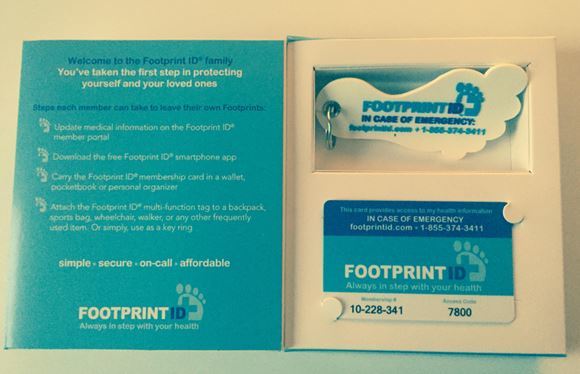
Today’s article is from Beth Tofel, found and President of FootprintID. It helps parents easily store and keep track of their child’s medical records and share their health information with physicians, emergency responders, family members and friends—when they need it most.

footprintid

For those of us who have sent children off to college we know the anxiety and stress that comes along with the excitement.  The oldest child is often the most challenging because of the unknowns and then when the youngest heads off it can leave the quiet in our homes sounding very loud.

One of the things I hear so often is “what if my child gets sick?”.  For the first time we are not right there to “diagnose” what is wrong, speak to the doctors or nurses, or immediately participate in decisions related to a child’s health.

Worse than that, because of HIPAA laws, the doctors are not allowed to speak to us without our child’s permission.  I suppose that works fine for a cold, cough, or strep throat.  But what happens when the unthinkable happens.  Your child can’t communicate to give the doctor permission to speak to you.  This is not something we want to think about, but as responsible parents we MUST.

I spoke to a lawyer friend recently, who shared some of the stories she has heard when needed documents are not available in a situation such as this.  Sometimes parents are simply told to come to the hospital, but what is going on with their child can’t be shared.  They don’t know if they are arriving to find a broken leg, or god forbid, their child in critical condition.

What happens if your child has an allergy, takes medication, or suffers from a condition that an emergency responder doesn’t know about.  Or there is a decision to be made as to how to treat your child.  All of this information can be critical to provide efficient, effective and timely care in an emergency.

What do parents need to do?

So what do we do?  Most importantly we need to have each of our children, upon turning 18, sign a Health Care Proxy and Power of Attorney giving permission for us to speak on their behalf and participate in care decisions with doctors.

The next challenge is to make sure that those documents are available if they are ever needed.

FootprintID can provide a solution to the challenges outlined above and assist in closing the gap that exists in the sharing of health information.

All of one’s medical information and health history, including documents such as POA and Health Care Proxies can be stored in one HIPAA compliant location.  It is then immediately accessible to parents, the child, health care providers and emergency personnel.  The information can be retrieved via web portal, smartphone app or our 24 hour call center.

Here is a link to a video that easily explains this service and how it can be beneficial to you, and your child as they head off to college.

Why FootprintID Video

The college experience is made up of many components.  Academics are primary, but also learning to manage one’s finances, health, social experiences, life is crucial to the maturation process that takes place during these years.  If we can keep our children safer by knowing their medical information is on hand and allowing us to participate in their care, at the same time that they learn to manage their own health experiences, everybody wins.  As parents it would certainly help us sleep better at night.

College Prep Stress: Into the Pressure Cooker


college prep stress

I have a few friends whose sons are applying to college. The stress and the pressure students face regarding college is palpable. The question bears asking: How do you help your student navigate the process without adding your own college prep stress and pressure? Trust me; it’s not easy. Parents have their own kind of pressure related to college. Most of it revolves around the question: How will we pay for it?

So here is my best advice related to those two important questions.

How do you help your student navigate the process without adding your own stress and pressure?

You must in every circumstance remain calm. This is only one of many choices your soon-to-be adult will make in his life. This is the time when you transition from being a hands-on parent to being a supportive parent. I know that’s easier said than done. It’s hard after making all their decisions for 18 years to step back and let them chart their own course. But this act, in itself, will help alleviate stress for both you and your student.

Once you take a step back, the logical course for you is to become an encourager and coach. You can offer advice, help in the decision-making process and keep track of filing dates and deadlines, make travel plans for college visits and provide tutoring support if needed. This frees your student up for the important tasks: test prep, choosing the colleges, and filing out the applications. Your student knows what is expected of him and you know how you can help. Less stress for both parent and student.

How do you remove the money worries and stress around paying for college?

I can’t tell you how many emails I have received from parents whose students applied and were accepted to a college the parents can’t afford to pay for. The excitement of acceptance is overshadowed by the reality that the student won’t be able to attend due to lack of funds.

The only way to avoid this inevitable disappointment is to do your homework. Before your student applies, do some research about the college. How much does the college cost? What do students typically pay (this is usually not the sticker price)? Does it have a high acceptance rate? What type of aid does it award to students? Do they typically award a large percentage of their incoming freshman substantial financial aid? Is your student at the top of the applicant pool therefore increasing his chances of receiving merit aid? And finally, estimate your EFC (Expected Family Contribution).

After the research is done, how much can you afford to pay? If the college doesn’t award aid, can you pay the difference between the cost of the college and your EFC? Is your student willing to put in the effort to apply and win scholarships to help with the cost?

Once you have all the information, your student should only apply to colleges that are within your ability to pay with a reasonable expectation of merit aid if needed. It doesn’t make sense for him to apply to a $50,000 a year college if you don’t have the means or the ability to pay. Parents often feel pressured into letting their student attend and take out massive student and parent loans to foot the cost. This is not a wise decision and can cause added stress and pressure that is unnecessary.

There are also other ways you can avoid the stress of college prep. Read my article for TeenLife Magazine, Helping Your Teen De-Stress About College Prep, for some additional information.

Keep Your College Valuables Safe With This Genius Parent Invention

I can’t tell you how excited I am to share this great invention from the parent of a college student. Sometimes necessity becomes the mother of invention. And that’s just what happened with this student and her father.

If you are sending your child to college this fall or in the near future, this investment can save you money and heartache over the next four years by keeping your student’s college valuables safe. Read their story and get yourself a BunkTrunk today!

________________________________

When our daughter went off to college in the fall of 2015, we were excited for her and she was ready to begin the next chapter in her life. While there are many things that are “known” with respect to the college experience, there are also many “unknowns.”

It turns out, that one of the “unknowns” was the genesis of an idea that led to the start of a small business. It turned out that our daughter had a roommate that grew up not having a need to lock, or even close doors. So when she moved into my daughters dorm room there was some immediate tension.  My daughter was worried about losing her laptop or some of her expensive textbooks, because so many times she would come back to an opened or unlocked dorm room.

After trying to remedy the situation with her roommate and several calls home to express her frustration, I decided she needed a secure storage solution. Since we’re dealing with an 18 year old who’s just moved away for the first time I realized any viable solution would have the following requirements:

  • It had to be easy to use or it wouldn’t be use
  • It had to be big enough for her laptop and some of her expensive textbooks
  • It would be a bonus if she could put her purse, medication, and jewelry in it
  • It could not take any desk space or floor space, because she had none to spare
  • It could not be ugly because, lets face it, that just would not fly for a girls’ dorm room
  • It could not require screws or bolts or other types of fasteners, because the college would not allow anything but command strips for hanging, mounting, or attaching anything to college property / furniture

So, after scratching my head for a while, I realized the best option for locating a storage device was the space above her bed (she was on the top bunk) and the BunkTrunk was born.

After a few revisions, driven by our experience with early prototypes, we finalized a design (see picture below) that met all the requirements and provided additional value.

With her laptop and phone locked up while charging inside, she was feeling much better about her dorm situation. She also had room to lockup her expensive textbooks, purse, medication, jewelry and more. But, with the door to her BunkTrunk opened, it also made a great work surface.  So when she needed to study late into the night, and didn’t want to bother her roommate by studying at her desk with the light on, she could now study on her bed.

Because she was on the top bunk, she didn’t have a nightstand next to her bed and the BunkTrunk makes a pretty good nightstand.

So we went from:

  • Fall 2015 – “Dad, I have a problem” & first prototype created
  • Winter 2015 – Provisional patent filed, design finalized and website goes live
  • Spring 2016 – a new small business is started
  • Summer 2016 – Patent filed and BunkTrunks shipped to over 20 colleges

We are now in our second year and expect to ship between 200 and 300 BunkTrunks.

August 2016 marked another milestone for us, as we filed our patent with the U.S. Patent Office.

And there you have it! Necessity is indeed the mother of invention, and in our case, led to a new small business too! Who knew…

If your college student is experiencing similar frustrations, have them check out the BunkTrunk.