Category Archives: parenting

Mom-Approved Tips: Practice Tough Love


tough loveParenting is easy if you give into your child’s every whim, never be consistent with discipline, or simply don’t pay attention. Parenting children who strive for excellence in everything requires some tough love. And tough love is not easy; especially when it comes to the raising a motivated, educated, and successful student.

How do you, as a parent, raise a child that’s motivated to strive for excellence where their education is concerned?

Practice tough love by doing the following:

Set guidelines and rules and stick to them

When they are young, set rules about homework and study time. If they are older, it’s not too late to get started. Insist that homework is a priority before any after school activities. Limit technology because it can be a distraction.

Be prepared, however, there is going to be dissent; but don’t cave. Don’t give in to their whining and complaining. Years down the road with they graduate with honors, attend college, and secure a career, they will thank you for practicing tough love.

Praise achievement (not mediocrity)

Society is so afraid of hurt feelings, they have made it impossible to praise achievement. Awards are given for participation, and not excellence. When this practice becomes common, your children expect to be rewarded and praised for mediocrity. They learn to expect praise for tasks that should be common practice. Set expectations and when they are exceeded, praise them.

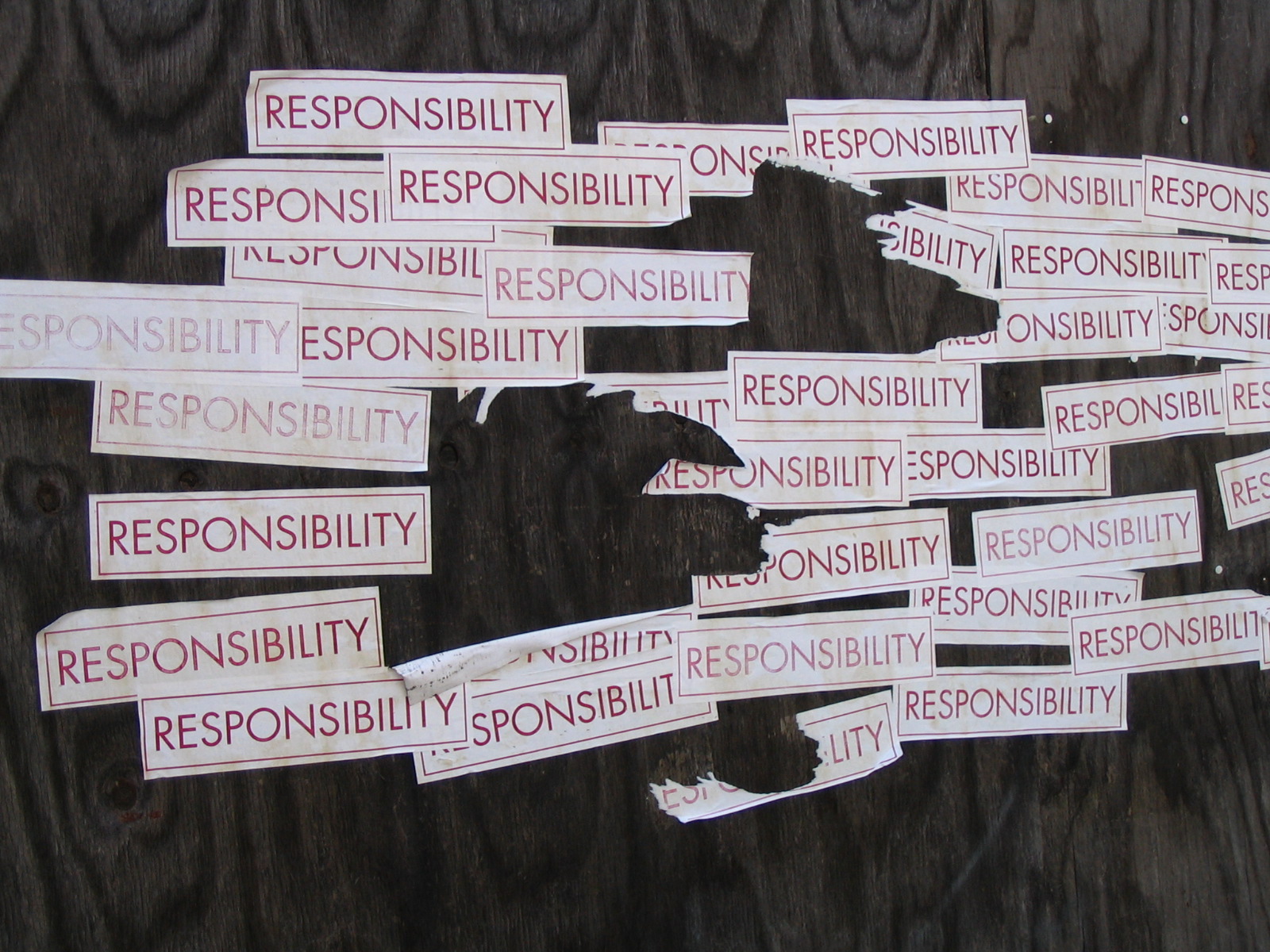
Teach them to take responsibility for their own actions

Teens love to play the blame game. You know the drill: it’s always someone else’s fault for bad behavior. Someone either coaxed them, coerced them, or talked them into doing something. It’s never their fault. It’s always the other persons: the teacher, the principal, another student. Learning to take responsibility for your own actions is one character trait that will follow them through high school and into college.

Step back and let them fail

Don’t rescue them from every difficult situation. You know the term–helicopter parenting. It’s important for them to make messes, get hurt, feel disappointment, and fail at tasks.This helps them develop life skills, achieve happiness, and be successful–the things we so desperately want to give them.

One parent summed it up well:

The reality is, we can’t “give” our children happiness and success anyway. It has to be earned. And earning things of such high value means our children will have to pay a price. We can either “love” our children into big grown up babies, still living at home at age 30 expecting mommy to swoop in and solve all their problems, or we can love them into a life of competent self-confidence by letting them experience pain, failure, disappointment, self-denial, and good old fashioned hard work.

Isn’t that what tough love is all about? Love your children so much you set rules, provide clear expectations, and allow them to fail so they can learn.

Using Twitter Chats for College Prep


Sign up for my FREE parent tips email and get my FREE Ebook on college financing! Or subscribe to my blog on the left and get email updates.

twitter chatsTwitter chats offer a goldmine of information for parents. Any question you need answered or advice you need to hear related to college prep and higher education can be answered in a Twitter chat. College admissions officers, financial aid officers, college counselors, parents, parent advocates and college experts congregate in Twitter chats.

For those of you who are novices to Twitter chats and hashtracking, I’m going to answer your basic questions and offer some guidance. If you have additional questions, feel free to leave a comment and I will respond.

What’s a Twitter Chat?

A Twitter chat is a group of like-minded people gathering on a specific time to chat on Twitter. It’s just like a chat room, without the room. Tweets to one another are recognized by using a hashtag (#beforethename) that indicates you are participating in the chat. Others will be able to easily see your tweets by using the specific hashtag.

Most Twitter chats have moderators and guests that answer basic questions. You are encouraged to participate by asking your own questions and offering any advice you might have on the topic.

How do I participate?

Simply use the hashtag (#twitterchat) and read those who use the same tag. You can tweet to them, retweet their tweets and participate in the conversation.

What tools do I need to participate?

You can use any Twitter program to follow the tweets. Some suggestions are Hootsuite, TweetChat, and TweetDeck. All you need to do is do a search for the specific hashtag and follow the thread.

Can you recommend some chats that would be helpful?

Following is a list of chats that will help college-bound parents navigate the college prep process:

  • #CampusChat 9PM ET weekly on Wednesdays
  • #CollegeChat 9PM ET weekly on Tuesdays
  • #CollegeCash 8PM ET weekly on Thursdays
  • #EdChat 7PM ET on Tuesdays

If you have any others you would recommend, please add them in a comment.


Wednesday’s Parent: Spring Fever and Your Teen


Sign up for my FREE parent tips email and get my FREE Ebook on college financing! Or subscribe to my blog on the left and get email updates.

Wednesday’s child may be full of woe but Wednesday’s Parent can substitute action for anxiety. Each Wednesday Wendy and I will provide parent tips to get and keep your student on the college track. It’s never too late or too early to start!

Wednesday’s Parent will give twice the info and double the blog posts on critical parenting issues by clicking on the link at the end of the article from pocsmom.com to parentingforcollege and vice versa.

__________________

spring feverFor some of us (especially those of us in the South), spring has peeked it’s head out for a few days and spring fever has arrived. You know the feeling—restlessness creeps in, a desire to play instead of work, and a lack of motivation. If you have a teen, they struggle to get back into the swing of things, especially after their break.

Why do these feelings crop up, especially during a time of year when the dreariness of winter is lifting and the promise of warmer weather and sunshine should bring a positive attitude? There may be many causes:

  • It’s prom season. Need I say more?
  • Seniors are feeling the stress of college decisions and being on their own.
  • It’s also a time when parents may verbalize their own fears about the future, such as, “Do you know how much college costs?” making it a concern for the entire family.
  • Some parents don’t ask their kids if they even want to go to college, causing kids to feel pressured and panicked about the future.
  • Spring means midterms. Midterms bring pressure, especially with seniors who worry about graduating if they fail.
  • Parents are also tense wondering what kids will do to stay busy in the summer. Working parents wonder how they’ll keep the children from getting into trouble.
  • Parents of seniors begin to realize that the inevitable will happen: they will eventually have an empty nest and it’s a frightening feeling.

This is a time when tension rises and you hear parents say, “Just three more months, and you’re out of here!” Imagine the impact those harsh words have on kids already acting out because they are scared about leaving home.

Recognizing the symptoms of spring fever should help you weather the next few months with minimal upheaval and conflict. In addition, being open to communication from your children, can go far in your own awareness of your child’s particular situation so that you can stay ahead of more serious issues such as depression. And don’t forget to stop and smell the roses!

For some tips on how to deal with spring fever, read Wendy’s post on the

6 Antidotes for Spring Fever.

Wednesday’s Parent: A Crash Course in Money Management


money managementBudget? For teenagers. Why on earth would they possibly need to learn to budget? Their every need is met: food, shelter, clothing and for most entertainment. The baby boomer generation has made sure that our kids want for nothing and their every need is met immediately. What is wrong with this picture? Simple. We’re raising a generation of children who end up drowning in debt as adults.

Before you send your child off to college and expect them to understand how to budget and not abuse credit, it’s time to give them a crash course in money management.

Money 101-The difference between wants and needs

This is the foundation upon which every other lesson is built upon. We all say it, especially our kids: I need (fill in the blank). But is it a need, or a want. Most of the time, it’s a want. And if it’s a want, you can 99.9% of the time, do without it. Understanding this concept will help your kid learn to spend wisely and if you teach them to ask this question before they make a purchase, it’s going to change their lives.

Money 202-Don’t spend more than you earn

Adults (or most adults) understand this concept. If your child doesn’t learn this before college, it is open season for college students by the credit card companies. It’s easy to “swipe” the card and rationalize they can pay for it later. Before long $20 becomes $50, $50 becomes $100, and $100 becomes $1000.

Money 303-If you want it, you have to earn it

This is an easy lesson to teach your kids, but many parents don’t. Start early with chores, then summer jobs, and then encourage them to save for that high ticket item. Purchasing a new car for your teenagers doesn’t teach them this lesson. Instead, consider a used car that needs some work, but only if they contribute some of the funds.

Money 404-Don’t depend on a rich benefactor

We’ve all seen those shirts in the mall that say: “My kid thinks I’m an ATM”. This is the mantra of today’s generation. If I want it, mommy and daddy will get it for me. If I want to go to college, mommy and daddy will foot the bill. Encourage them to always have some “skin in the game” when it comes to important purchases. If it’s their hard-earned money, it will have more value.

Graduate Course-Create a budget and stick to it

You can start early with an allowance and some weekly spending money for essentials. Explain to them that this is their money but it’s their responsibility to use it wisely. When it’s gone, it’s gone. They will have to wait until the next week before their funds are replenished. It’s as simple as sitting down with them every week and writing down how much money they have and what they will need to spend it on.

Kids who learn these lessons before college will be happier adults. They won’t become a slave to debt and they will work for everything they acquire in life.

For more budgeting tips read Wendy’s blog:

6 Circus Lessons for Balancing the Budget

Wednesday’s Parent: When Just Say NO Is Not Enough


just say noIf you or your child has been in the public school system in the last 30 years you’re familiar with the phrase–just say no. From first grade on, those words have been pounded into the heads of kids giving them an answer to anyone who offers them drugs or any other form of abuse. It’s not the answer sometimes that’s important, as much as the attitude behind the response.

Research shows that kids who have a good relationship with their parents are less likely to pursue a life of abuse. The drug awareness programs give parents some guidelines they say will help. They instruct parents to do several things and lead us to believe that if we follow those rules, our kids are less likely to succumb to peer pressure.

Their suggestions have merit. But the bottom line is that most kids, no matter how strong they appear or how great their relationship is with their parents, are going to find themselves in a situation where just saying “no” is not enough. Just saying “no” will be met with teasing, pressure, and even ridicule. It’s your job as a parent to prepare them for that moment.

Educate your kids about abuse.

You should be the one to give your kids all the information they receive about the consequences of drug use. Don’t use scare tactics. That never works. There’s not one kid alive who actually believes that if he tries a drug once, it will kill him; although, it can and has in many instances. They see themselves as invincible. Give them facts. If you’ve done your job and they trust you, they will listen and when the time comes, remember what you’ve said.

Prepare them for the worst case scenario.

Tell them it’s going to happen. Give them some suggestions on how to handle the situation. Assure them that no matter what happens, you will be there for them. You want them to tell you everything; no matter what decision they choose to make. Let them know they can call you, anytime, day or night, to come and rescue them and you will be there in a heartbeat.

Keep the lines of communication open.

Make sure your kids know they can tell you anything, and they won’t be judged. Kids tend to keep things from their parents; that’s just part of being a kid. Let them know that, no matter what they do, you will love them. You may not love their behavior, but everyone makes mistakes. Everyone messes up and does things they are ashamed of. Make it easy for them to tell you about those bad choices, so you can help them make the right ones the next time.

Before they leave for college have a conversation.

Your kids have listened to everything you have told them over the years. But this is a time to remind them that they have options. Talk about the drinking culture on campus. Discuss the “hooking up” culture and sexual abuse. Bring up the subject of drug abuse. You may need to do a little research before you tackle this conversation because your kids are aware, or have been confronted, with abuse throughout high school.

What do you do if the worst happens?

Consider this scenario and prepare yourself for a response. Your daughter goes to a fraternity party. It goes without saying that there is going to be underage drinking and drug use. (If you don’t face this fact, you are in denial). Someone brings Ecstasy to the party and is passing it out freely. If you’ve done your job as a parent, she knows what Ecstasy does to her brain and how it affects her body. The girl that’s willing to share is her best friend. She tells her that it’s supposed to make you feel “all warm inside” and tells her no one will know. She tells her that by the time she gets home, the high will have worn off and if she doesn’t like it, she doesn’t ever have to do it again. She reminds her that you can’t judge if you haven’t tried it. So against all the knowledge you’ve given her about the effects of drugs, she takes the pill. Then, in a conversation about college and how she’s doing, she tells you what she did.

Be prepared for a response. Just saying “no”, wasn’t enough. She’s going to need an understanding parent who doesn’t judge, but reminds her there are consequences to every decision. This is an opportunity for a life lesson. You may not be able to be with her 24/7 but your words will be. The next time, she will hopefully think twice about making such a dangerous decision.

For more parenting tips, read Wendy’s blog: 7 Deadly Sins, Teen Style

Mom-Approved Tips: Teach Your Kids the Value of Money


Sign up for my FREE parent tips email and get my FREE Ebook on college financing! Or subscribe to my blog via email on the left.

money

Before you send your kids off to college, they need to learn about the value of money. Ideally, it starts at an early age; but if you haven’t started, there’s no time like the present!

When your kids are away at college they are going to be responsible for their own spending (and saving). There will be offers galore from credit card companies because college students are their biggest target market. If they hook them while in college it usually means they have them for the rest of their lives.

My parents never taught me these lessons and I wish they had. I never did chores, had to save for anything I wanted, or learned how to use credit wisely. I have to admit I didn’t do the best in this area of parenting either. But I have learned over the years that if you neglect these lessons, your kids will suffer.

Following are just a few tips to help you teach your kids the value of money:

Establish chores

You can get them accustomed to chores at an early age, providing an allowance based on their age and the amount of chores they do. They should know how to do their own laundry, clean bathrooms, and cook meals. Not only will you be teaching them that hard work produces reward, but these skills will serve them well when they are living on their own.

Teach them to earn what they want

If a child works to earn something, they value it more. If you want to buy them a car, purchase a used one that needs repair and teach them to work on the repairs themselves. If they want a large ticket item, encourage them to get a part-time job and earn the money to pay for it. Save the gifts for Christmas and birthdays. Once they learn this simple truth, it will be much easier to explain to them that you expect them to contribute financially to their college education.

Explain the difference between wants and needs

This is a valuable lesson they will carry with them into adulthood. Today’s kids are accustomed to instant gratification; but saving for something teaches them that just because they want something, it doesn’t mean they need it. If they are committed to save for it, they will re-examine whether or not they truly need it. When they are away at college, this will be the first question they ask themselves before pulling out an easily obtained credit card.

Encourage giving

Giving to others will show kids how to bless others when they are blessed. Finding people in need will give than an appreciation for their own blessings and cause them to re-evaluate those “things” that they find so important in lieu of saving to help others.

Teach them to save

Putting money away in a piggy bank or savings account teaches them to save for future purchases. When they learn this, you are teaching them to plan for the future and this should follow them into adulthood.

Always remember that kids mirror their parents’ behaviors. If they see you frivolously spending and raking up credit card debt, they will follow your example when they go off to college.

Wednesday’s Parent: These Tactics Won’t Spur Action


college prep actionI tell so many people I work best under pressure. It’s not an excuse; it’s a fact. As you can imagine though, it’s stressful. Chasing deadlines may work when you’re self-employed, but it’s not a habit you want your college-bound teen to adopt. Every teen, unfortunately, procrastinates. It’s a part of their nature; and the college prep process on top of other life activities lends itself to procrastination.

Knowing that all teens (and some parents) procrastinate, what should you avoid when trying to motivate them to action during the college prep process.

Don’t be a bad example

We all know that our kids mirror us and our actions. If you college-bound teen sees you putting things off, procrastinating on tasks, and ignoring things that need to be done, why should they take action themselves? If you want you teen to tackle tasks as they become available and submit applications and forms before the deadline, model that behavior.

Don’t be a nag

Nagging never works with a teenager (and rarely works with a spouse). At some point they learn to tune you out. By the time they become teenagers all they hear is “blah, blah, blah”.

Don’t do it for them

Many parents get so tired of begging and nagging, that they opt to do it themselves. They complete the applications, write the essays, answer emails and take care of all the college related tasks. Yes, it happens; and colleges know when a parent is “helping” with the process.

Don’t lay on the guilt

Every parent uses the guilt tactic. Guilt will do more damage than motivate. If your teen begins to feel that they can never please you, it affects their self esteem. And they will stop trying because they feel whatever they do it’s not enough to please you.

Don’t jam it down their throat

There is a fine line between helping and encouraging and forcing your teen to do things. If your teen is not exhibiting any interest in test prep, college searches, scholarship searches and applications, perhaps there is a reason that needs to be addressed. Forcing them to write an essay will not produce a successful result. Making them apply to college when they don’t want to go will only cause bigger problems in the future.

You know your teen and you know what motivates them. Don’t use these tactics that rarely produce effective results.

Conversely, read Wendy’s blog on what you CAN do to motivate them to action.


Mom-Approved Tips: Moms Blogging About College


moms bloggingSince I’m a mom, and you’re most likely a mom (or dad), you feel a kindred spirit with other parents, especially if they have been through or are going through the college prep process.

Aside from my blog, Parents Countdown to College Coach, there are other moms out there sharing their stories, their knowledge and their expertise. Below is my favorite list of nine moms blogging about college, add mine and it’s 10!

1. Dr. Strange College

This mom chronicles the college prep process as she experiences it with her kids. You will find excellent “how to” information and tips on how to motivate and keep your college-bound teen organized. What’s great about this blog? You can walk through the process with her.

2. How to Win Scholarships Money Blog

This mom helps you with the scholarship search process and with scholarship applications. Her blog highlights various scholarships and give parents tips on how to make their student’s scholarship application stand out.

3. Smart College Visit

This is a blog dedicated to help parents with the college visit and provides other advice for parents as well in the form of weekly tips.

4. More Than a Test Score

This blog, hosted by Zinch, has a parents tab that speaks specifically to parents. How do you know it’s a mom writing the blog posts? The majority of the posts were written by me!

5. POCSMom Blog

This parent of college student mom helps parents de-stress during the college prep process offering advice on how to relax and laugh when you get overwhelmed. She also  collaborates with me on a weekly blog post: Wednesday’s Parent.

6. Galtime-Parenting Tweens and Teens

Galtime is an online magazine for women, but if you go to their Parenting-Tweens and Teens tab you’ll find all kinds of advice on parenting college-bound teens, most written by moms.

7. The Perfect Score Project

This mom made it her goal to take the SAT test and get a perfect score while studying along with her son (and now daughter). Having trouble motivating your teen to study? This is the blog to read.

8. How to Pay for College HQ

This isn’t a blog; it’s a podcast. But this mom does transcribe each weekly podcast with information and links from her guests. Her goal is to send her four children to college without incurring debt–and she’s gathering together all the experts to pick their brains about it. Subscribe to her podcasts. You won’t regret it!

9. The Neurotic Parent

This mom started this blog while on an eight-state college tour with her oldest son. Her Neurotic Parent Archives offer some excellent advice for parents of college-bound teens with a little humor and sarcasm to the mix.

Do yourself a favor and check out these blogs, follow their RSS feeds, and sign up for their mailing lists to get updates when they post.

Wednesday’s Parent: Are You a Control Freak?


Sign up for my FREE parent tips email and get my FREE Ebook on college financing! Or subscribe to my blog on the left and get email updates.

Wednesday’s child may be full of woe but Wednesday’s Parent can substitute action for anxiety. Each Wednesday Wendy and I will provide parent tips to get and keep your student on the college track. It’s never too late or too early to start!

Wednesday’s Parent will give twice the info and double the blog posts on critical parenting issues by clicking on the link at the end of the article from pocsmom.com to parentingforcollege and vice versa.

__________________________________

control freakAre you a control freak? I am. And there are times when it’s not pretty, especially where my kids are concerned. That tendency was no more apparent than when we were in the midst of college prep. I learned quickly, however, that my tendency to be in control of the process made my kids pull back and sit on the sidelines while I did all the work.

As a parent, it’s hard not to take control, especially if we have opinions and concerns about the choices they are making. But before you are labeled by your kids and their friends as “THAT” mom or dad, take a deep breath, and ask yourself these questions.

Do you want the added drama?

Teenagers are the epitome of drama. Controlling their campus visits, their college interviews, the counselor meetings and every other activity related to the college process is going to add to the drama. High school is not supposed to be a continuous battle and you can’t enjoy this time if you are battling over control.

Do you want your kids to second guess every decision they make?

Controlling parents raise insecure kids. Your kids need to know that you trust them and stand with them in their decisions. It’s a given they will make some bad ones, but that’s the way they learn about choices and consequences. They will make mistakes but fearing failure because they have a controlling parent will cripple them.

Do you want to raise a dependent adult?

If you control every decision, every choice and everything they do, they are going to have a hard time living on their own. You will begin to notice that they can’t make a move without you and your approval. It’s not an ideal situation, especially when they leave for college. Expect a call early during their first semester asking to come home.

Do you want your kid’s accomplishments to be their own and not yours?

It starts with doing homework for them when they don’t understand and moves on to completing their science projects. Before you know it you’re picking the college they will attend and completing their college application. Their accomplishments become clouded by the fact that they did nothing on their own.

You can avoid being a control freak by practicing these parenting techniques:

  • Teach them responsibility.
  • Help them with organization.
  • Guide them when making decisions.
  • Remember you are raising an independent adult.
  • Let them fail and help them learn from their mistakes.

It seems simple but the very nature of parenting makes it difficult to reign in the control monster, especially when they are making life-changing decisions. But you can do it if you never forget that since they took their first breath, they have been moving toward independence. They may have grown up too fast but you can’t stop the process, only hinder it. Don’t be a control freak.

For some more tips on how to stop controlling your teens, check out Wendy’s blog

Mom-Approved Tips: A Different Take on Helicopter Parenting


helicopter parenting

It’s no surprise that parents have become so involved in their kids’ lives that school administrators have begun to label us; helicopter parent, snow plow parent, and bulldozer parent. But it can’t all be bad; after all, parents are actually involved. Is this a bad thing? As with anything there are extremes. And it’s possible that a few bad parenting experiences have shed a negative light on all of us.

Let’s take a look at the benefits of helicopter parenting:

Parents who are involved tend to have academically successful students.

Studies show kids who have parents that stay involved from Kindergarten to 12th grade are more likely to excel academically. Why? Involved parents help students with studies, organization and make sure they do their assignments. They also stay on top of grades and can recognize any problems that may require extra help.

Parents who are involved have students who are less likely to participate in at-risk behaviors.

Students whose parents are involved in their lives are going to find it harder to participate in at-risk behaviors. Why? Parents who know their kid’s friends, encourage activities at home, and encourage their kids to participate in after school activities help the kids learn responsibility and commitment. They have little time to get into trouble.

Parents who are invested financially and encourage their students to invest financially have students who take their education seriously.

College is a large financial commitment. When parents commit to invest, and insist that their student invest, the student will be more likely to see the value of that investment. That translates into academic success and a successful college education.

In The Student Affairs Feature, “It’s Time to Change our Views on Parental Involvement”, Beth Moriarty, sums it up like this:

It’s a fact that some parents do get overly involved in their student’s life. But saying that all parents are helicopter parents is wrong. Our roles as parents have changed and evolved over the years. Today’s parents are invested in their student’s educational future and success . . . Should parents be embraced as partners and should the colleges help parents embrace that role?

My mother used to say, “Don’t throw out the baby with the bathwater.” I think that is the best way to look at helicopter parenting. Embrace the good things about this type of parenting and avoid the behaviors that cause educators to label us.