Category Archives: college majors

The benefits of being a student athlete


student athleteGetting a college education is difficult enough, so trying to do it while training at a high level is an incredibly daunting task. The enormous pressure to perform well at games can adversely affect studies and vice versa. Fortunately, the special needs of student athletes are recognized by schools and athletic commissions. Several benefits are provided to help them achieve their full potential both in sports and academics. These typically consist of the following:

Continue reading The benefits of being a student athlete

Music Careers for you music loving student


music careers

If you have a child that is passionate about music, then it is good to know that there are really great career options for them later in life. Having an understanding of what these are can allow you to share them with your child to help them find the right path. There are a few career options worth looking at.

Continue reading Music Careers for you music loving student

Careers related to a computer science degree


computer scienceSkilled workers with a background in STEM (science, technology, engineering, and mathematics) are currently in high demand in the US. In fact, figures published by the US Bureau of Labor Statistics (BLS) show that STEM jobs will grow by 21.4% in the next decade. To put this in perspective, the average growth for all other jobs will be a modest 10.4% during the same period of time. BLS statistics also show that computer science graduates can expect to earn a median annual salary of $100,660. Here are some of the hot career options you can pursue with a computer science degree.

Continue reading Careers related to a computer science degree

Should your student attend a public or private university?


public or private universityThe student in your household has many schools to choose from when it comes to deciding where to attend college. And while you can definitely use college rankings and other resources to narrow down the list of possibilities, it might help to consider beforehand whether or not a public or private university is better suited to provide the coursework and degree your student needs.

However, you may not necessarily know the differences that separate a public institution from a private one. For all you know, they might offer exactly the same education. In truth, it could depend largely on the school in question, but there are some general features that can help you to differentiate a public university from a private one. Here are some things you’ll probably want to consider before you push the teen in your household to apply to one or the other.

The cost vs the benefits

The first thing you’ll no doubt notice is that private universities tend to be more expensive than public ones, all things considered. This is partially because they offer a certain amount of exclusivity, not to mention everything that comes with it. However, it is noteable that many private universities offer more merit aid because of generous alumni donors. This type of funding allows private institutions to be more selective when it comes to admittance, meaning they may require a better GPA or more extracurriculars or volunteer work than the average university. As you might imagine, the payoffs of getting accepted to one of these schools can be great. Class sizes tend to be smaller so that students receive more individual attention. If your student needs a bit more supervision to stay on track, this could definitely be a benefit of choosing a private institution.

Religious affiliation

In addition, some private universities are also religious in nature. So if it’s important to you that your child continues to receive religious instruction, a private institution, and specifically one that caters to your religion, may be in order. On the other hand, you’ll almost certainly want to make sure that your choice is based primarily on the academic features the school has to offer since the main goal of attending college is to earn a degree that leads to a fruitful career. All the same, many families are drawn to private schools that offer a religious aspect, and this could definitely play a role in the university you opt to send your child to.

Academic programs

Of course, you’ll also have to consider which universities offer the most highly rated programs for the type of career your student is interested in, and you might be surprised to learn that in some cases the public institutions beat out their private counterparts. You should also keep in mind that some schools have clout or connections within specific industries, which means they’re better equipped to offer internships, job opportunities, and even job placement in some cases. For instance, Texas A&M is infamous for their engineering network and the fact that alumni Aggies tend to hire Aggie graduates. Checking these stats ahead of time could help you to determine not only which type of university is better for your student, but which schools, in particular, are preferable.

Whether your student is looking to study medicine in California or head to a Vermont law institution, you need to look into both public and private universities in order to find the school that will provide the best education and the most opportunities. In some cases a public institution can provide just what you’re looking for, and probably at less expense. But often, private institutions offer the benefits of more merit aid, small class sizes, and an extensive alumni network. That’s why it’s important for parents and students to evaluate each university separately and determine which college is the best fit.

Comprehensive List of College Info Websites

college planning

Here’s a current comprehensive list of my picks for college info websites. Do you have any additional suggestions?

COLLEGE BLOGS

ParentingforCollege.com–You will find the MOST information ere olege news. Come here first to find the latest and bhest tools to hn our blog: college guidance, college planning, college coaching, and colelp you navigate the college maze.

TheCollegeSolutionBlog.com–An excellent resource for college-bound teens and their parents: admissions, testing, and financial aid.

UniversityLanguage.com/blog–Great blog articles about everything related to college admissions geared toward students.

GreatCollegeAdvice.com/blog–An excellent resource about the college admissions process providing expert advice helping students map their college journey.

USNews.com/Education–The education channel of U.S. News and World Reports providing the latest news and information related to college.

CollegeBasics.com–An excellent resource for information about college essays, college applications and high school resumes.

InsideHigherEd.com/blogs–Several different blogs related to higher education.

CollegeAdmissionsPartners.com/blog–An expert blog dedicated to helping students find the right college.

CollegeFocus.com/colleges–A virtual clearinghouse of blogs related to college life, parenting, college searches, etc.

Road2College.com–You can find just about any topic related to college prep at this site: financial aid, college planning, student loans, test prep, and more.

PARENT SITES

UniversityParent.com–A site where parents can ask questions, gather information, and download and view college guides and campus newsletters.

CollegeParentCentral.com–A blog created to give parents useful information about college and the college admissions process.

YourCollegeKid.com–A site with parent forums and other college prep tools.

CollegiateParent.com-A site dedicated to providing parents with information for their college students.

FINANCIAL AID

Fafsa.ed.gov–The official government website for the Free Application for Federal Student Aid.

SallieMae.com/plan–A FREE education investment planner that will help determine college costs, compare college costs, and provides information about student loan repayments.

SavingForCollege.com–Everything you need to know about financing a college education.

FinAid.org–An excellent resource for the answers to all your questions regarding college financial aid.

CollegeFinancialAidAdvisors.com–Help with the college financial aid process.

SCHOLARSHIPS

Fastweb.com–An extensive scholarship search website with a massive database of scholarships, along with articles and helps designed specifically for parents.

Chegg.com–A free service for students and parents where students can showcase themselves, connect with colleges, and search for scholarships.

Cappex.com–The place to go to find merit scholarships and academic scholarships from colleges across the country.

Scholarships.com–An extensive scholarship search engine that helps you search and schedule alerts for deadlines.

How2winscholarships.com–A guide for parents and students on how to effectively apply to and win scholarships.

COLLEGE VISITS

SmartCollegeVisit.com–Created to provide information about college visits, help parents and students plan, and view personal accounts from both parents and students.

CollegeWeekLive.com–A virtual college fair that sponsors free LIVE events with archived presentations, student chats, and college booths.

Youniversitytv.com–Learn about colleges by watching video tours, chat with students on campus forums, post questions and get answers.
CustomCollegeVisits.com–Offer custom tailored to your family’s needs, whether you’re visiting college & university campuses close to home, across the country or from overseas.

COLLEGE PLANNING

Cappex.com–A site created for students to help them simplify their college search, create a profile and search for scholarships.

CommonApp.org–The common application site used by 400 colleges and universities across the country.

PrincetonReview.com–The best value colleges list for public and private institutions across the country.

UPromise.com–UPromise partners return a portion of eligible purchase money back to you. Those earnings accumulate in your Upromise account until you decide to use it to invest in a 529 plan, help pay down eligible student loans or assist with college expenses—all tax-free!

CollegeBoard.com–It’s here you’ll find the CSS Profile application (required by many private colleges), register for the SAT, and read articles about planning for college.

CollegeXpress.com–A search site that groups colleges in categories and provides college “hot” lists (i.e. top college for late bloomers, colleges for students needing a second chance)

VolunteerMatch.org–Find local volunteer opportunities for your college-bound teen and teach them about the importance of giving back to their community with the added bonus of adding that service to their high school resume.

KnowHow2Go.com–A college planning site for college-bound students providing helps and aids from middle school to senior year: interactive and fun!

 BigFuture.collegeboard.org–A planning tool to help parents and students get ready for college.

TEST PREP / TUTORING

TutorsForTestPrep.com–An SAT expert and coach offering tips to help your college-bound teen improve their SAT/ACT scores.

FairTest.org–The site for the National Center for fair and open testing providing information about colleges who do not use the SAT/ACT for admissions decisions.

QuincyTutoring.com–A resource to find a tutor and schedule a tutoring session.

LaunchpadEducation.com–Tutoring to help students with learning disabilities and ADHD.

CramBetter.com–CramBetter uses bite-sized video lessons to help you focus on the material that’s most likely to show up on your exams in math, physics and chemistry.

TEXTBOOKS

ECampus.comFind textbooks, sell textbooks, search for college supplies and college apparel all on this one site.

Chegg.com–A hub for students to compare textbook prices, study for exams, and choose the right courses.

RECRUITING

NCSASports.org–The college recruiting site for athletes.

BeRecruited.com–If you have a teen that’s a student athlete, they can create an online profile here and help colleges and coaches find them and be recruited.


Should your teen attend community college first?


community college

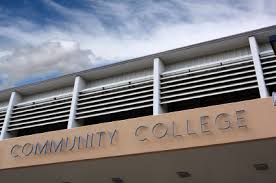
Higher education is a complicated issue for many students and parents today. College education is a necessity for finding success and prosperity in many career paths, but rising concerns about student loan debt and graduate unemployment are making the process of pursuing education more stressful and uncertain than ever before. Community colleges are becoming increasingly popular options for students everywhere, as a means of securing foundation credits before transferring to a university. Is this a path that your teen should be considering?

Community college gets a bad rap

Community colleges are often viewed as being stigmatized in many academic circles. Students and parents alike disdain the idea of a community college education because they believe that more prestigious institutions will look down upon them. Worries about how an employer will view community college education on a resume are disconcerting as well. However, you shouldn’t be concerned about such fallacies. Your teen can study at a community college before transferring to another school, and still have access to all the same opportunities as every other student.

Community college will save you money

Many students are uncertain about their futures, and the prospect of choosing a college can be very daunting for them. A college education is a very expensive investment, and students should be going into their college years with both high confidence and defined goals. Students entering college without a goal in mind tend to spend up to two years exploring different lines of study in an effort to find the right path. While this is a healthy process, college is not the best place to do it. If your teens go into college without goals, they will take longer to finish their degree programs and incur more debt. This is where community college can be very beneficial.

You’ll quickly find that community colleges are, with almost no exceptions, much less expensive than any other school. Community colleges draw on local populations for their student bodies, and they offer education with much lower tuition rates than even public universities. Studying at a community college allows your teen to gain important foundation education in key subject areas without spending full price on college tuition. This can be a life saver, especially for families with tight budgets.

Community college will help develop career interests

While studying key academic subjects like writing and mathematics at a community college, your teen will also have the opportunity to explore other lines of study through elective courses. This helps students to find the paths that will lead them to prosperous careers. Exposure to philosophy in community college could spur an interest in law studies for your teen. A course in the arts or writing could unlock a previously concealed passion for creative work that leads to a prosperous and fulfilling career. Community colleges give students the opportunity to explore a variety of subjects without the financial stress that comes from university study.

Your teen may have his or her heart set on a four-year university like Howard University, but attending a community college first is often a very smart choice. Give your teens the option of exploring several academic possibilities without incurring debt, and help them find the paths that will lead them to success in college and beyond.

How to help your student set long-term goals


goalsMany students headed for college have never had to deal with long-term goals. You provide them with a roof over their heads, a bed to sleep in, clothes to wear, and food on the table. They barely have to set short-term goals, much less those that take time and concentrated effort to accomplish. So when they leave home to pursue a college degree, they might not have the first idea how to go about creating and reaching goals that will take longer than a semester to complete. And this short-sighted attitude could make for some very serious problems.

Take a major, for example. Although students spend the majority of their freshman and sophomore years finishing general education credits, most also begin taking prerequisite courses for their major. If your student hasn’t decided on a major, any additional classes they take during this time could end up being a waste (of time and money). But you can give your teens the tools they need to make a solid, long-term plan. Here are a few tips to get them on track for setting and reaching overarching goals.

The first thing you’ll want to do is sit down with your teens to talk about a 5- or 10-year plan. This might sound like a long time to your teens, and it is. Throughout their late teens and twenties, most people develop and change in a variety of ways, which can make it extremely difficult to lay out a long-term life plan. But you don’t necessarily have to start with a college major and a career, which are extremely finite goals. You can begin by discussing more general plans. For example, you might ask your teens what they’re interested in and what they enjoy. Do they like helping others, working in groups, or being responsible for only themselves? Are they concerned about the environment, the economy, human rights, gun control, or any other current issues? Do they want to have a home, children, and money for vacations or are they happy having no commitments to tie them down?

Believe it or not, the answers to these questions can help your college-bound students to narrow their focus and come up with a major that will help them to reach certain life goals, rather than those that are simply career-oriented. Knowing what we want from life can help us to determine the types of jobs that will lead to happiness and fulfillment on a personal level. From there you can start to discuss more targeted issues like a career, a major, schools and programs, and even specific coursework. You can talk about which clubs and activities are going to contribute to successes in a chosen field. You can look into growth in particular job markets, types of jobs available, and even the prospect of benefits like health insurance and a retirement plan.

By starting with broad likes, interests, and desires you can begin to focus in on long-term professional goals. And when you make your teens consider their answers carefully, you are giving them the skills they need to objectively approach their goals in order to lay out a path to success on their own. Of course, they may still change their minds along the way, hopping from political science to arts and humanities to CNA certification training. Who knows how they will grow and change when they’re out on their own? But the hope is that they will eventually settle on something they love in order to enter a profession that is challenging and fulfilling, and that the process will teach them how to set and achieve long-term goals on their own.

5 In-demand college degrees


college degree

Soon enough your son or daughter will be off to college so that they can pursue their dreams and professional lives. Job recruiters and college admission officers say that one of the best ways for your child to know what he or she wants to do with their life career-wise is to find out what some of the most in-demand jobs are. It just makes sense to pursue those degrees since jobs after graduation are often difficult to find; if your student has an in-demand college degree they are more likely to get hired.

Here are 5 in-demand degrees for your college kid to consider in 2013.

1. Computer Science

With the rise of digital technology, computer science is one of the most popular degrees in 2013 and will be for the foreseeable future. In fact, over 56% of students who are studying to acquire some sort of computer science degree already have jobs. The need for qualified and diligent programmers and application developers is widespread in almost every business sector. If you want to have a stable, long-term career, computer science is your answer to a satisfying professional life with job security and a potentially large income.

2. Business Administration

Business administration is another degree that is quickly becoming more and more in-demand. During 2013, business administration degrees are seeing a peak, because despite the sluggish economy, businesses need employees that see the big picture and have an overall knowledge of the business environment. Venture funded technology start-ups are popping up with open positions. Many of these companies need qualified business administrators.

3. Accounting

Because the economy is the way it is, accounting is another degree that is seeing a rapid rise in popularity. Either you start your own private accounting firm and work on people’s taxes to find ways for people to save money on their returns, or you work for a government agency to help crack our major multi-trillion dollar deficit. Wherever you end up, a strong knowledge of tax calculators will help

Accounting positions are always in demand because every business needs them. It’s also one of the best fields to pursue for continuing education; it’s fairly easy to obtain a bachelors of accounting for working adults.

4. Nursing

Next, nursing degrees are also hugely in-demand. However, it used to be that you could get by with a registered nursing degree or an RN, but now it is recommended that you get your BSN, or a Bachelor’s In Science and Nursing degree. It’s important that you enter an RN to BSN program. Many hospitals across the country are choosing nurses with a BSN over an RN degree. A bachelor’s degree communicates that the person has had more education and is better qualified.

5. Engineering

Lastly, engineering, will make you qualified for a host of jobs that span almost every business sector. If you get your civil engineering degree you can help plan your cities basic infrastructure, from highways to traffic lights and more. Other engineering jobs are widely available in the military, Silicone Valley, the medical field and anywhere else you can think of that needs the advanced thinking of an engineer. An engineer will also help build machines, creative devices, and devise solutions to help us live our lives more efficiently.

Transferring colleges


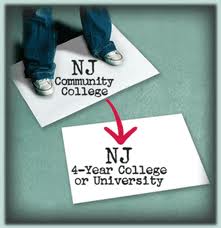
transferring collegesIt can be very difficult for students to choose the school that is going to offer them the best chance for future happiness and career success. And even with the input of parents, counselors, and peers, students occasionally discover that they’ve made the wrong decision and ended up at a college that really can’t offer them the program or coursework they need to get where they want to go. Plenty of students also change their minds about what they want to do after they’ve had a chance to take a few classes and see what their dream job actually entails. Then there are issues like cost and location that may lead students to seek an education at another institution. And many students go from community college to a 4-year institution. There are any number of reasons why students might consider transferring colleges. Here are a few things to consider when helping them make the transition.

Search for acceptable alternatives

In truth, there is little difference between applying for college initially and transferring to a new school except that you’ll need to get more transcripts sent. So the first thing you and your student should do is start looking for acceptable alternatives. The nice thing is that you’ve been through the process once before so you should have a better idea of how to get started, such as by reading reviews and seeking out schools that offer the type of program your student is interested in. If the major study hasn’t changed, you may even be able to repurpose some research on schools that didn’t make the cut the first time around but came in as second- or third-place options. However, if your student is considering a new major, you’ll simply have to begin again with schools that meet the new criteria.

Determine if current credits will transfer

Of course, there may be a few snags to contend with. On the upside, your student has likely completed some credits, which means he/she should have an easier time gaining admittance to a new school. This is especially true of students entering a new institution as juniors with their general education units completed, not to mention those who have managed to earn a high GPA thus far. However, you could definitely face some problems when it comes to transferring those credits. Although most accredited institutions will accept college credit from other such schools, an apples-to-apple transfer is not always possible.

For example, students going from a semester to quarter system, or vice versa, can face problems based on the number of units granted per class. And certain courses may not have an equivalent at a new school, rendering them virtually useless. Plus, every school is bound to have different requirements concerning prerequisites for specific majors. So you should address this issue right off the bat in order to find a school that will offer your student the best opportunity to continue along an educational path rather than having to backpedal and make up units.

Take a look at financial aid

If your student is receiving financial aid via merit scholarships from their current college they will lose that money if they transfer. Transferring students rarely receive any type of merit aid. Do your research and determine whether or not the new college will provide merit aid to your student, even though they are transferring. This might be a strong case to reconsider staying at the current college and finding a way to make it work.

Whether your student is interested in Ivy League institutions like Duke or Brown, state schools like UCLA or the University of Cincinatti, or even technical colleges, transferring colleges can be a trial. But with proper planning and attention to detail you can help to ensure that your kids find that right schools for their wants and needs, even if they’re already on the collegiate path somewhere else.

To transfer or not to transfer-that is the question


transferring collegesParents often have to make tough decisions where their kids are concerned. And while you want the best for your child, and that desire influences your every choice, even you have to admit that you don’t always choose correctly – parents are just people trying to do the best they can! At some point you’re going to have to let your teen take the reins and make his own decisions, even if you think he’s making a huge mistake. But as a parent it’s still your job to help him in any way you can. While you might not exert the same influence over a teenager as you did over a toddler, your opinion still matters. So when it comes to ensuring that your child end up at the right institution of higher learning, the one that will help him to maximize his potential and prepare for a successful and fulfilling career, the onus is on you, to some degree, to make sure he has all the facts needed to make an informed decision about his future.

Even with all your input and exhaustive research, he could end up at the wrong college with the wrong major. Here are just a few things to consider when determining whether your kid is at the right college or if he’s in need of transfer to a more suitable school.

What are the reasons?

There are plenty of reasons why a college might not end up being the best choice for any given student, but when it comes to your child you want to be sure. After all, this can be a fairly costly mistake, what with the complications inherent in transferring to a new school. As a parent, your job in this situation is to determine whether your college student is truly miserable and misplaced at his current campus or if he is simply making a mountain out of a molehill when it comes to complaints about his current situation.

Have your student’s interests changed?

You and your student will no doubt put a lot of time, effort, and deliberation into selecting the appropriate college. But things don’t always turn out like you hope. Even with the help of a comprehensive ranking system, information from school advisors, and visits to college campuses, your student may eventually discover that the school he has settled on isn’t what he wants, for one reason or another. Perhaps he’s looking for practical studies and it turns out that the program for his major is largely theoretical, analytical, or historical in nature, just for example. He may decide partway through that he wants to change his major to something that his school of choice doesn’t specialize in or that it isn’t highly ranked in, at any rate (this is more common than you might imagine). So if it turns out that your student went for a major in contract law when what he really wanted was an urban planning career degree, discuss this change with him and determine the financial consequences of his change of interest and/or passion.

Is this a rash decision?

It could be that your student has selected a campus that is far away and the homesickness is too much for him to handle on top of all the other stresses of entering college. If your college student asks to transfer, tread lightly. It could be more than the wrong educational choice. It could be homesickness, not fitting in, or even the feeling that they are overwhelmed. Make sure it’s not a temporary response to stress. Encourage them to finish out the semester and then make a well-informed decision.

If he discovers that the courses offered aren’t going to help him to get the knowledge and skills needed for his career of choice, then perhaps you should consider supporting his move to another school that can meet his needs. A happy student is a successful student.