Are you dealing with teenage drama about college? If you were expecting an easy ride you’ve probably realized that you were delusional. Even the best of daughters has her moments; and even the model son makes you want to pull your hair out. A friend of mine once told me (when I was potty training my daughter and was totally frustrated), “Honey, potty training ain’t nothing compared to raising teenagers.” She was right!
Navigating college roadblocks, based on my experience and the experiences of other parents, can be difficult and frustrating. There are three tactics parents can use when dealing with these unexpected twists and turns along the road to college.
School’s out for the summer and it won’t be long before you hear those dreaded words, “I’m bored.” My grandsons have already uttered them!
Personally, I never liked those words. I don’t use them myself and I taught my kids not to use them. They knew if they used them, I would find them something to occupy their time and they wouldn’t like it.
While you can’t jam college prep down your teen’s throat this summer, you can prepare for those “I’m bored” moments and take advantage of the opportunity to help them find something to occupy their time.
Here are some suggestions to crush the summer boredom:
If you watched the Netflix Special “Operation Varsity Blues: The College Admissions Scandal”, you might think that only rich parents cheat to get their kids into college. But according to a new survey from Intelligent.com, a trusted resource for online degree rankings and higher education planning, you would be wrong.
What did the survey find?
According to the survey, cheating was more common among families from high-income households and parents who made less than $49,000 annually. In contrast, only 19% of cheaters are from middle-income homes.
“We’ve heard stories and scandals about college-admissions cheating among celebrity parents, but this survey reveals that it’s not uncommon for average parents to use unethical practices during the college application process,” Intelligent managing editor Kristen Scratton says. “Interestingly, 25% of our survey respondents cheated by listing false achievements, making sizable donations, or getting a test-taker to impersonate their child on the SAT or ACT test.”
Hiring a test prep tutor might just be the best investment you can make toward a college education. It may seem like a large investment, but the return you receive on the investment can be astronomical.
Consider this:
You pay $100 an hour for 5 hours for a test prep tutor = $500
Your student scores as well or better than the state index and qualifies as a National Merit semi-finalist
Colleges who have money set aside for the finalists will use merit aid to entice your student to attend: full tuition, room and board, books and fees, laptops, study abroad and even spending money.
Your student receives a full-ride scholarship for thousands of dollars
May 1 is quickly approaching. Students are making their final college decisions. What can you do to help your senior decide? This post originally appeared on University Parent and it should help.
In today’s competitive college market, it’s not uncommon for a high school senior to apply to ten or more schools and receive admission offers from quite a few of them.
My daughter did and it was a bit overwhelming. Don’t get me wrong — we appreciated that it was a good problem to have and were delighted for her. But with many colleges to choose from, and the May 1st deadline looming, we needed a plan.
What do you do if your senior has multiple offers of admission? Beyond comparing financial aid awards, how do you help your student make the final decision?And what if she’s wait-listed at her top choice, or feels as if she’d like to take time off before matriculating?
There are so many milestones in any parent’s life. Your baby’s first steps, their first words, the first day of school, and their first girlfriend. But there are few occasions more momentous than the day you send your adult child off to college.
You will probably be feeling very bittersweet about it. You are delighted that they are on track to succeed in life and learning to become an independent adult. They will make lifelong friends, learn about the world, and finally discover who they really are. But on the other hand, you may be feeling a great deal of sadness that they are leaving home. You will no longer be able to see them every day and cook them dinner each night. They may be living hundreds of miles across the country and can’t come to you if they need help. And with everything going on in the world right now, it may be harder than ever before. Student life in a pandemic can’t be easy, and you are understandably concerned for their wellbeing.
It doesn’t matter which side of the political aisle you are on, the 2020 Election can teach your teen some valuable lessons about life, responsibility and outcomes. Since you are their greatest teacher, take a moment to discern what they are indeed gleaning from your behavior during this election time. There are important lessons for them to learn from this election.
There will always be winners and losers–The sooner they learn this truth the happier they will be. You can’t always be on the winning team and you should always be a good sport about losing.
With freedom comes responsibility–Voting is a responsibility. Vote in EVERY election and take your teens with you. Let them experience this freedom right along side of you. Decisions are made by the people who show up.
Bashing someone else’s beliefs and opinions only makes you small–Don’t be one of those people that rub victory in other people’s face or bash the ones who won. Rise above the temptation and take the high road.
Even though you may not be happy with an outcome of a decision or path you take, you can still move forward–Teach your teens that there is always a road ahead. Mistakes have consequences but you deal with those, learn from them, and go in a positive direction.
Playing the blame game never benefits anyone–If you blame everyone for the way things turn out, you are teaching your teen to do the same. Explain to them that we are all responsible for our OWN actions, not those of others.
Support your leaders and if you don’t agree, take action toward effecting change–This is America and we have elected our leaders, so they should be respected. If you aren’t happy with the people who are in office, work toward the next election. Sitting around voicing hatred for them will only teach your teen to do the same.
We shouldn’t be defined by our political views but by our values–A famous person once said, “We’re not the red states or the blue states, but the UNITED States.” Teach your teens your values and they will carry them into the future.
Your behavior speaks volumes about the kind of person you are–Don’t be one of those that post hateful comments on social media sites. Be the one who focuses on the future and sees good in everyone.
Negative attitudes make you a very unhappy adult–Negativity breeds defeat, discouragement, and despair. You certainly don’t want your teen to live their life with these attitudes.
You live in the greatest country in the world–Say what you will, but we have FREE elections and every adult is given a vote to decide who governs us. Teach your teens to be proud of our country, our past, and our future.
I have watched all the negative campaign ads for a year. I’ve read Twitter and Facebook feeds for months. Many adults need to apply these 10 principles to their lives. Your college-bound teen is our future; teach them to respect one another and dream. Above all, VOTE!
Making the most of a college degree requires a knowledge of the career path your student will be pursuing. This post is one of many I have provided to help parents and students make an informed college major choice.
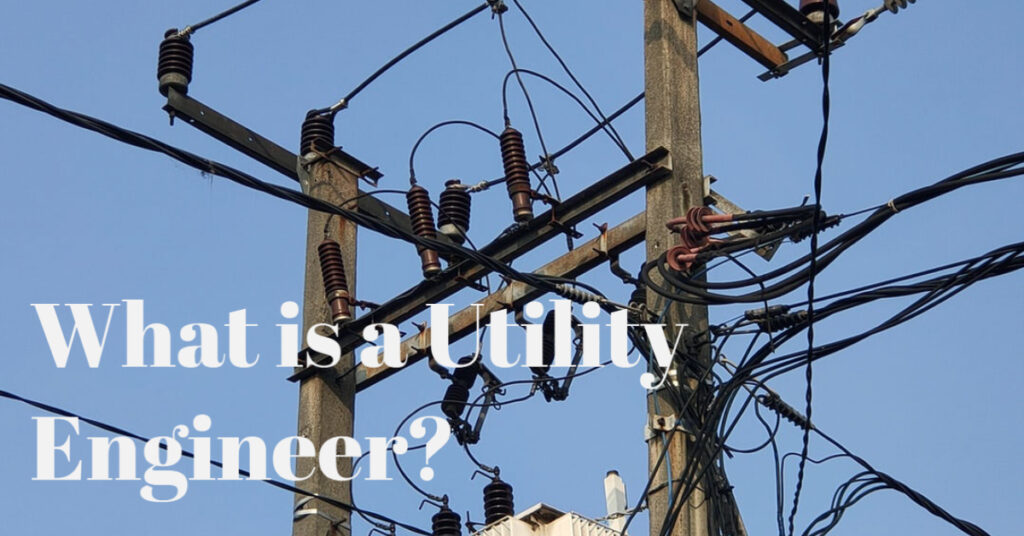
Utility engineers are highly specialized professionals who usually work with public utilities that provide gas, water, power or sewer services to communities. Most utility engineers have a background in mechanical or civil engineering.
Utility engineering consultants work on how to improve the delivery of utility services to homes and businesses. They often are employed in public works activities that offer new utility services to communities. Utility engineers also work to improve current services with new technology and best practices.
Common utility engineer tasks include:
Devise plans, designs, and operations for utility systems, including gas, water, and sewage systems.
Identify and resolve any failures of utility systems and oversee preventative maintenance.
Direct utility project groups and offer guidance on how to install or improve utility systems
Gather data on utility processes, monitor utility system effectiveness and material usage.
Manage construction projects involving utilities, devise utility project scope, specifications, and budgets.
During times when there are utility outages, utility engineers are engaged in directing and managing work crews to restore services as quickly as possible.
Utility engineers also are involved in boosting service quality by reducing service interruptions. This is done by enhancing infrastructure and working to reduce any existing problems. For these types of projects, the utility engineer works in planning and execution.
Example of a Utility Engineer Project
For example, a utility engineer may determine that a plot of land with dozens of old trees is a high risk to power lines. He or she will design a project to run electric cabling underground or to reinforce current aerial lines and electric poles. He or she would collaborate with work crews to ensure these utility projects are properly carried out and thoroughly inspected for effectiveness and safety.
As a utility engineer, you may work on many different types of projects for different entities. Some may work for a city that is designing a new energy distribution grid. These utility engineers may act as consultants to provide guidance on the power requirements of a growing urban area. Others might work at smaller utilities that keep power going in all buildings, and also work in installing backup electrical generators for any power outages.
Some utility engineers also work at manufacturing plants and job sites outdoors overseeing the construction of electrical turbines and other types of equipment that produce power.
Utility engineers work on infrastructure projects that are vital to the continuing growth and viability of our society, and therefore are engaged in work of great importance.
How do school administrators describe today’s parent?
Has it become so bad that school administrators (from grade school to college) have to label us (helicopter parent, bulldozer parent, snowplow parent)? Apparently, it has. When it comes right down to it, we should realize that this type of behavior only hurts the student. Of course, the student may not see the harm. After all, their parent is rescuing them from difficult situations in life. But in the long run, it hurts their quest for independence and causes strife within the family.
Let’s take a look at some of these parenting styles and ask yourself how they can hinder your student’s growth toward independence and influence your parenting for college.
The Helicopter Parent
A helicopter parent hovers over their child. They keep tabs on their every move, text them 24 hours a day and have tracking apps on their smartphones to keep track of their child’s location at all times. Helicopter parents are ready to swoop in at a moment’s notice to help their child in any situation. Forgot their lunch—they take off at lunch to bring it to them. Forgot to bring a permission slip—they drop everything and bring it to them. Forgot to register for the SAT—no, problem; we’ll pay the late fee. Receive a text or non-emergency call during a meeting—they drop everything to respond. Overslept for school—they write a note to explain the tardiness.
The Snowplow Parent
The snowplow parent goes beyond the hovering. They clear paths for their children and plow any obstacle that stands in the way of their happiness. Their children never learn how to advocate for themselves and head off to college to get lost in a sea of problems. As they get older, it’s harder for them to resolve conflict and overcome adversity. Honestly, I have to admit I did this with my daughter. The good news—I knew when to stop. The bad news—I did it much too long.
The Bulldozer Parent
A bulldozer parent is one who is involved in their child’s life, especially in school. This type of parent calls the teacher to complain about a grade they feel is undeserved. As their kids get older, they call the admissions office to plead their college-bound teen’s case for admittance. Bulldozer parents bulldoze their way into their kid’s lives. If their kids get into trouble, they are right there waiting to bail them out and make excuses.
Evaluate and adjust
Be honest. Haven’t you been guilty of some of these? As with any problem you have to want to stop. You have to examine your parenting style and decide whether or not you are helping or hindering your kids. And once you determine the problem you should make an effort to correct it. Back off a bit, give your kids some space, and allow them to make mistakes and learn from them.
Always remember that an independent adult will be a functioning adult and a happier adult. You may say now you don’t want them to grow up, but when they are asking for your help at 30 you will be sorry you encouraged their dependence.
It’s no surprise that parents have become so involved in their kids’ lives that school administrators have begun to label us; helicopter parent, snow plow parent, and bulldozer parent. But it can’t all be bad; after all, parents are actually involved. Is this a bad thing? As with anything there are extremes. And it’s possible that a few bad parenting experiences have shed a negative light on all of us.
Let’s take a look at the benefits of helicopter parenting:
Parents who are involved tend to have academically successful students.
Studies show kids who have parents that stay involved from Kindergarten to 12th grade are more likely to excel academically. Why? Involved parents help students with studies, organization and make sure they do their assignments. They also stay on top of grades and can recognize any problems that may require extra help.
Parents who are involved have students who are less likely to participate in at-risk behaviors.
Students whose parents are involved in their lives are going to find it harder to participate in at-risk behaviors. Why? Parents who know their kid’s friends, encourage activities at home, and encourage their kids to participate in after school activities help the kids learn responsibility and commitment. They have little time to get into trouble.
Parents who are invested financially and encourage their students to invest financially have students who take their education seriously.
College is a large financial commitment. When parents commit to invest, and insist that their student invest, the student will be more likely to see the value of that investment. That translates into academic success and a successful college education.
My mother used to say, “Don’t throw out the baby with the bathwater.” I think that is the best way to look at helicopter parenting. Embrace the good things about this type of parenting and avoid the behaviors that cause educators to label us.
These are tough times we live in. From the coronavirus to the widespread protests, families have had to cope with some difficult circumstances and answer some tough questions.
My grandsons have asked questions–many questions about what is happening in their world. We try to prepare our children for foreseeable difficulties as adults, but sometimes life slaps us in the face and we face obstacles we did not anticipate and would rather avoid.
The question we should all be asking our students is: Are you prepared for college?
I’m not talking about academic, extracurriculars, or standardized tests. I’m talking about the “real” college prep: adulthood. Because this is the most important college prep of all. If your student isn’t ready to study without being constantly nagged, attend class without a wake-up call, or make wise choices when every negative influence in the world bombards them, then he or she is not ready for college.
We must, as parents, prepare our teenagers for independent living. That means they must know how to self-advocate. They must know how to say “no” to behaviors that have negative consequences. They must be responsible with their time and their money. It’s no easy task and in today’s world, we have to add the ability to make wise social and economic choices.
I love “American Housewife” for the examples of good and not-go good parenting techniques. Their daughter, who will be attending college in the fall, was required to complete a massive to-do list before they would agree for her to attend her senior prom. Some of the items seem simple to most, like changing a tire; but the goal of this parenting was to prepare her for independent living.
Do you have a to-do list for your future college student? Can they live within a budget? Do they understand the importance of study and class attendance? Do they know how to choose the right friends? Will they make wise choices about alcohol, sex and other risky behaviors. Preparing them for college is so much more than academics.