Category Archives: admissions

Attending a Suburban College

suburban college
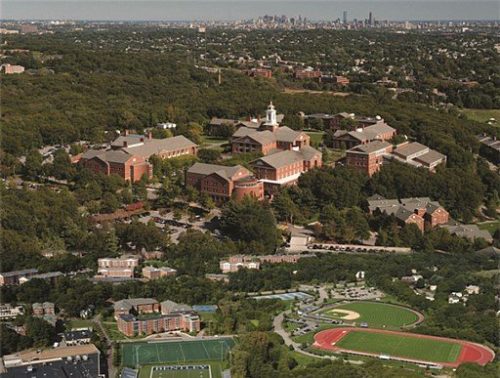
Bentley University in Waltham, Massachusetts

When my daughter applied to college, she knew she wanted to make the move from Texas to an eastern college. She wanted to live in or near a large city and she applied and was accepted to colleges in New York City and Boston. Coming from a small city, I feared New York might be overwhelming since she was traveling thousands of miles from home and was barely 18. But Boston offered the next best things—a suburban college near an urban environment.

Bentley College (now Bentley University) was the perfect option. It was nestled in a small community, Waltham, Massachusetts; but it was close enough to Boston to make it feel like she was attending an urban college. The mass transportation available made it easy for her to take advantage of all the culture and entertainment available without feeling swallowed up by the big city.

Suburban colleges offer some qualities of both urban and rural schools, and might be the best choice for your student.

What is a suburban college environment?

Suburban colleges give students more options for activities off campus in the surrounding rural and urban areas. They often give students the freedom to choose between outdoor activities similar to those at rural colleges and urban offerings such as museums, concerts, plays and other cultural events.

Colleges often provide local transportation to and from the local community and the urban areas surrounding the college. Local venues surrounding the college often offer student discounts for access to eating, shopping and entertainment in the area.

What are the benefits of attending a suburban college?

If your student is looking, as mine was, for the benefits of an urban college in a suburban environment, this would be an excellent choice. In a suburban college you can enjoy the benefits of an urban college experience but escape to the comfort of a college that feels more like home, usually surrounded by nature and part of a local community. Essentially, you get the best of both experiences.

For my daughter, her small college in a suburban area was the perfect fit. Coming from a small high school in a midsize city, the large population in New York City and the overwhelming size of the colleges she applied to would have swallowed her up. When homesickness set in, as it always does, her tight knit community rallied around her and helped her through.

If your student needs more support or feels a smaller, suburban environment would suit them better, this type of college might be the perfect fit.


Making the Best Admissions impression

admissions

Your student will spend the best part of the college application process trying to impress. Impress teachers. Impress college admissions. Impress scholarship judges. It’s part of the process and it’s something they will do as they enter the job market after graduation.

There is a lesson that we as parents must teach them about self-confidence and being able to present themselves well. There is a point where their approach to their wild streak has to mean something as they must understand not everyone is like them. There is sometimes a convention that we must follow because it gives us a solid and meaningful foundation from which to stand on. So why don’t we teach our kids how to impress others in certain situations in life? They will need to at some point and yet we don’t often take the time to sit them down and show them when and how they could possibly do this. Here are some scenarios and techniques you can show them to getting people on their side and get their admiration.

The starting point

Your children will first need to impress someone for real in their lives when they go for a job interview. Hopefully this will be when they are young and in their mid teens. Working as a newspaper boy or in a grocery store is good life experience for them. But they must get the job first and this is when we need to give them life advice on what the employer is going to be looking out for. First off the simple things, they need to stand and sit up straight and not hunch their shoulders. They need to work on maintaining eye contact and speaking in a steady and clear tone. They should also dress the part, take the extra mile. Even if they are applying for a job in their local cafe, dress as if they are applying for an office role with formal clothes. Ask them to put themselves in the employer’s shoes and hopefully these things will begin to make sense to them.

A stand out essay

When they go off to college they will want to be noticed by their lecturers and other teachers. The common things they will get asked to produce are essays and reports. Aside from proper writing form and style they should also make their work stand out. This can be done by making a cover for their work. This is also helpful when compiling the scholarship application essay. They can use embossing folders which can imprint their own name, title of their work and even logo or slogan. This will create a 3D design on their work, which will also be unique to the touch as the gel used will remain semi-hard. This will no doubt make their work stand out from the piles and piles of other students’ work. It will impress the lecturer and make a good first impression. It’s not just words either, you can imprint shapes and sequins as well to give the cover a little more flare and character.

There are times in our lives when we need to impress someone. But the college application process is a perfect time to help your student put their best foot forward.

Attending an Urban College

urban college
New York Film and Acting School

I just returned from a visit to New York City and am always amazed by the college opportunities available in such a small space. Manhattan is a mere 23 square miles and there are hundreds of colleges for any interest beckoning for the adventurous student. From focused studies in film, acting, music and fashion, to the traditional four-year college, Manhattan offers a wide variety of secondary education choices.

Is your student craving for an urban experience at college? If so, there are a few things to consider.

What is an urban college environment like?

In New York City, the colleges have become part of the city itself. They are mingled within the skyscrapers and citywide neighborhoods. In other cities, the college is more self-contained in in their own little neighborhoods. Since this type of environment can be overwhelming, especially for students who come from small towns or rural areas. Don’t fool yourself into thinking just because you want to escape the small-town mentality, that an urban environment will be easy to navigate.

It takes some tenacity and fortitude to navigate the subway system in New York, along with the millions of people who live on Manhattan. The same is true for colleges in Los Angeles, Boston, Chicago and other large metropolitan areas.

What are the benefits of attending an urban college?

Urban colleges, like those in New York, offer a wide range of cultural off-campus experiences and a variety of entertainment like museums, concerts, plays and more. In addition, urban colleges offer students a larger pool of possible internship opportunities since many companies operate within these large cities. For instance, if your student is studying film, acting, fashion or music, a college on Manhattan will put them in close proximity to many opportunities to hon their craft and get advice from those currently working in these areas.

For example, in New York City, there is a restaurant called Ellen’s Stardust Diner that offers budding Broadway hopefuls the opportunity to perform each day live in front of an audience of diners while earning wages as servers. In addition, the establishment pays for additional acting, singing and dancing classes for its employees. This year alone, 17 of its employees have joined Broadway productions.

Is an urban college the right choice for your student?

Urban colleges are good environments for outgoing students who have a spirit of adventure and who like to interact with people of different cultures and backgrounds. There will always be something going on in the city and it will be easy to access any activity that interests you.  

It’s easy to get around an urban college because you will have access to a large public transportation system. It likely won’t be necessary to have a car while attending college because of the easy accessibility of transportation.

If a certain city is a hot sport for your student’s chosen career field, like Broadway theater is in New York, they might consider attending a college within the city. It will be easier to do networking and make connections while attending school.

Tomorrow, I will explore the advantages of attending a suburban college. Stay tuned!

Busting 5 college myths

college myths

Have you ever heard someone say, “College is a waste of time and money”? Or, “There’s no way I could afford to go to college”? These are some common college myths that many people believe to be true. But the reality is that neither of these statements is true.

Following are some common myths about college, examining the reality of each of them:

Myth #1: College is a waste of time and money.

College is only a waste of time and money if you waste your time and your money. Choose the right college at the right price and you will recoup your investment ten-fold. Choose the wrong college and incur a tremendous amount of debt and the myth could become a reality. Waste your time drinking and partying without devoting time to academics and that tuition money could fly out the window.

Myth #2: There’s no way I could afford to go to college.

Many students and parents believe that financial aid is only for the extremely poor or highly gifted students. That’s simply not true. Everyone qualifies for some form of financial aid and there is an affordable college solution for everyone. Community college is an affordable option. Winning scholarships can decrease your college costs as well. Working during college can also help defer some of the costs. If college is your dream, there is a way to finance it.

Myth #3: The college with the lowest price is the most affordable.

This is not necessarily true. Colleges with high sticker prices often give the most financial aid based on alumni contributions and generous donors. After taking financial aid into consideration, a seemingly more expensive college may be more affordable than one with a lower sticker price.

Myth #4: The only good degree comes from a 4-year college.

Nothing could be further from the truth. There are many satisfying and good paying jobs that require 2-year or technical degrees. If those type of careers interest you, then you should not discount that type of education. Getting the degree you need for the career you want is more important than graduating from a 4-year college.

Myth #5: Small colleges offer limited opportunities.

The size of a college isn’t enough to make a complete judgment. Small colleges and large universities all offer unique opportunities for the students who are looking for that perfect fit. The philosophy and vision of the college and its leadership is much more important that the size of the student body or campus.

Don’t believe everything people say about college. Do your own research and evaluate using the information you gather. Separate the myths from the realities.

Should Your Student Delay or Skip College?

skip college

The increase in college costs and fears about the inability to secure employment after graduation causes many students to consider delaying college or even skipping college altogether.

While college costs can be high, consider that the majority who delay college regret not going and a high percentage continue within the workforce without a college degree. In this competitive job market, a college degree is necessary to compete with other degreed applicants and increase your lifetime earning potential.

Instead of choosing to delay or skip college, consider these options:

Take AP or dual-credit courses during high school

If you take AP classes during high school, you can take AP tests and many colleges will give you college credit based on your test score. Dual credit classes allow you to attend college while attending high school, giving you college credit when you graduate. Securing credit before starting to college can reduce your costs dramatically and many times allow you to complete your degree in three years.

Begin your college career at a community college

According to the study, 41 percent of adults and 35 percent of teens said schools like Harvard or Princeton are important, but not necessary to get ahead. Only 17 percent of teens though going to a top tier school would give them a better chance of finding a job. Start your college career at the local community college and save some big bucks. Just make sure that those credits will transfer to a 4-year college after completion.

Pay as you go

The most effective way to offset high college costs is to adopt the “pay-as-you-go” method. Many colleges allow you to break the tuition payments up into affordable monthly installments. If you choose this method, you can work during college and pay the tuition while you attend. Of course, you will need to choose an affordable college option, such as a state university.

Live at home and work during college

While living at home and working might not be your optimum choice, it’s a viable option. It’s possible to arrange your classes around your work schedule. Your income from your job can offset tuition costs. Living at home will save you money on room and board, reducing your college costs significantly and allowing you to apply that money toward tuition.

Take some classes online

Taking classes online can be less expensive and also cost effective. But before you drop some of your hard earned money check with your college and verify that they will accept those courses as credit. Many students take some courses over the summer and/or winter breaks, saving higher credit costs for those classes that are only offered at their respective colleges.

Delaying college might seem like the best choice when faced with the high cost; but if you think creatively and work hard, you should be able to attend college and pursue the degree of your choice.

The Next Step After college decision day

college decision day

Yesterday was National College Decision Day. It’s the day your student made the final college decision and locked in their future. Now it’s time to move forward.

Your student can start by completing these tasks before transitioning to college.

1. Send in your deposit and apply for college housing

First things first—by now you should have sent in your deposit to your final college choice and applied for dorm housing. The national decision deadline is May 1st and there are no exceptions or do-overs. If you are even one day late, you may forfeit your place in their freshman class.

2. If you have chosen to defer, complete the necessary paperwork

If you have already decided to defer, contact the college and make sure that is an option. Most colleges will allow students to defer their admission for a year if they ask. But you must ask. Be sure to ask if you need to sign an agreement or make a deposit to hold your spot for next year.

3. If you are taking a gap year, finalize plans.

Gap years are becoming more popular among students and many colleges are even encouraging them. Take time to plan your gap year and have a clear purpose in mind. Whether you choose to travel abroad, stay home and work, or explore careers, it’s a good idea to finalize those plans before graduation.

4. Attend “Accepted Students Day” and register for orientation.

If at all possible, attend the college’s accepted student day. Colleges encourage students to attend to familiarize themselves with the college, meet other students, and use this event to make their final decision. Later, after you have accepted an offer of admission, you should try to attend college orientation. Don’t forget to register for this important event.

5. Consider a summer college program.

Many colleges offer summer pre-college or community service programs. Investigate the college you will be attending and ask if there are any programs in your area of interest or your intended major. Colleges like Brown University offer a wide variety of programs from academics to adventure.

For tasks 6-10, read the original article at TeenLife.com.

Tips for Choosing the Right College

college

Choosing a college to go to can be difficult. If you make the wrong choice then this may have an impact on your education for the next few years of your life, but with a bit of research you can be sure to make the right decision.

Accreditation

It doesn’t matter what type of college you are looking to attend because you need to choose one that is accredited. There are various types of accreditation, and some of them include licenses and certificates too. It also helps to do some research as it will help you to understand where your chosen college excels. Quite often, the college will list any credentials they have on their site, so take note of them and then work out what each accreditation stands for. This way you can find out exactly what the college can offer you, and you can also get some valuable insight into how they work as well.

Reviews

One of the best ways for you to understand the quality of a school is to look up rankings and ratings. There are plenty of sites that have all of the information you need, and a lot of them are based on student experiences. You can find out more about a school’s culture, the faculties that are available and even the social life that people have on campus. Remember that going to college isn’t just about the educational facilities, it’s about the student experience too. If a college doesn’t show good reviews for a specific time period, that doesn’t mean that they haven’t turned things around since. Jerry Jellig for example, works with educational institutions to help them do this.

Academic Support

College can sometimes be a challenge, so it helps to know that you have some degree of academic support outside the classroom. Look up to see if your chosen college offers remedial courses in core subjects, and also find out if you have to pay for this.

Social

Do you like to meet up with new people? Or would you prefer more of a close-knit community? Either way, the environment of a school is very important. There is a high chance that you are going to be staying there for years, and you may even be living on or near campus too. A few years is a long time to be living in a community that does not suit your personality. Take the time to find out how many people attend your university, how far away you are from the social and entertainment facilities, and also see if there are any smaller areas around the college that you would rather stay at.

Extracurricular

Sports are often emphasised at college and this is great. If you’re not the sporting kind however then it helps to see if there are any other activities that you could take part in. Sometimes you need to unwind at the end of a long day, so if there are any particular extracurricular activities that you would like to take part in, or if there are any clubs that you would enjoy then take note when making your decision.

What do other parents think about college admissions?

college admissions

You can talk to experts and read all the articles online, but nothing compares to listening to other parents and their experiences with college admissions.

Knowing there are other parents struggling with the same questions, problems and unexpected outcomes can help you feel less alone. But where do you find that information? There are two excellent Facebook groups to help: Paying for College 101 and Grown and Flown. With thousands of parents posting and commenting daily, you can ask any questions (even specific ones) and someone will most likely have the answer.

Parents have asked about testing, financial aid, homesickness, the college admissions process and much more. There are plenty of other parents available to offer their advice and non-judgmental help. According to a survey by Paying for College 101, “the most common words participants used to describe the admissions experience were “stressful,” “exhausting,” and “overwhelming.” Most parents can certainly relate to those feelings.

Other results of the survey include:

  • Most of the families responding (68%) were going through the college admissions process for the first time
  • 27% of students applied to 10 or more colleges
  • 39% applied to 1 to 5 schools
  • 34% applied to 6 to 9 schools
  • 42% of students were waitlisted
  • 17% of these students being waitlisted at 2 or more schools
  • 89% of responders received some form of financial aid. Of those receiving financial aid, 57% received only merit scholarships, 6% received financial aid based on need, and 37% received a combination of merit and need-based aid
  • 66% of responders were either OK, Satisfied or Very Satisfied with their financial aid offer
  • 62% of responders chose not to appeal their financial aid award
  • 56% of responders have a plan to pay for college
  • 24% aren’t sure if they have a plan
  • 20% do not have a plan.

For some specific responses and stories from three parents, you can follow this link: College Admissions Decisions & Financial Aid Survey For The Class Of 2023.

The Obsession with Brand Name Colleges

brand name colleges

Unless you have been hiding under a rock for the last week or so, you’re probably aware of the college cheating scandal now known as #VarsityBlues. Some over-anxious parents found it necessary to pay what they call “bribes” to get their students into what they call “prestigious colleges”. My only question: when will this end?

When will parents stop worrying about WHERE their student goes to college versus WHY they go to college? It’s just as bad to dictate your student’s college choice as it is to assure they get in to the college of your choice.

This is nothing new. Parents have been “paying” for their students to go to brand name colleges for years. They donate huge amounts to colleges to secure a spot for their student. They pay hundreds of thousands of dollars to elite coaching companies to assure admission to an Ivy League university.

The Tiger Mom approach

Years ago, there was quite an uproar among parents regarding a Wall Street Journal piece, “Why Chinese Mothers Are Superior” by Amy Chua, a professor at Yale University. In an excerpt from Chua’s new book “Battle Hymn of the Tiger Mother”, Chua writes about her quest to assure her children attend an Ivy League college:

Here are some things my daughters, Sophia and Louisa, were never allowed to do:

  • attend a sleepover
  • have a playdate
  • be in a school play
  • complain about not being in a school play
  • watch TV or play computer games
  • choose their own extracurricular activities
  • get any grade less than an A
  • not be the No. 1 student in every subject except gym and drama
  • play any instrument other than the piano or violin
  • not play the piano or violin.

Does that sound a bit harsh? It does to most parents. Although Ms. Chua does have a point when it comes to parenting without excuse, there are varying opinions concerning Ms. Chua’s attitude over the way Western parents do not take a strict approach in pushing their kids toward the “best” colleges.

What are the “best” colleges?

Many parents and educators will tell you they are the Ivies. Others will say they are the ones with the most selective admissions process. Many parents today will insist to paid college counselors that their student can only apply to these schools. It’s not about the fit, but it’s about bragging rights and prestige. Can I brag about my student on Facebook, to other parents and to my colleagues. You don’t believe? Just ask those people who do this for a living–I’ve heard this time and time again.

Are these selective colleges best for your student?

Many parents, college admissions counselors, and educators believe they do. They see these colleges as necessities in providing students with a good job after graduation, opening doors because of the alumni network, and the value of a college name when you venture out into the world.

Why pay for your student to attend a selective college?

You shouldn’t. If you feel the need to seek college counseling help, it should be from someone who has your student’s best interest at heart–not yours! One of my colleagues is so convinced of this, he placed this statement on his website:

“If you prefer personal coaching, I do NOT work with families whose only purpose is to get their child into an Ivy League school, or one that reflects the parent’s need to validate themselves through their children.”Https://www.studentbrandstrategy.com/about

What are the “best” colleges?

In my opinion, the “best” colleges are the ones that will give your student a good education at an affordable price: and one that your student chooses as a good fit for them. There are networking opportunities at every college AND the connections your child makes while in college can be made at any university. As in life, college is what you make of it. If your child takes advantage of the education, the networking opportunities, and works at internships during college, graduation will yield job opportunities. Not every family can afford an Ivy League education. Not every student (in spite of Amy Chua’s beliefs) wants or needs to go there. 

If you have to rely on a college name to get ahead in life then I fear you are missing the entire point of education.

San Diego Union Tribune
https://www.gocomics.com/stevebreen/2019/03/13

Here are additional articles that might add to the discussion and help us zero in on the real problem in college admissions:

Kids are the Victims of the Elite College Scandal

The Moral Wages of the College Admissions Mania

The Myth of American Meritocracy

Everything You Need to Know About College from 5 of the Best Experts

college

It’s a jungle out there–cluttered with all kinds of college advice. How does a parent hack through the massive amounts of advice and find what they need with confidence? It’s not easy. There are hundreds, if not thousands, of college help websites, Facebook groups, YouTube channels and more offering paid and unpaid advice about college.

There are five experts I turn to when I need added advice about all things college:

Debbie Schwartz-admissions/financial aid

Debbie Schwartz founded Road2College in 2016 to educate families about college admissions and empower smarter college financial decisions. Her facebook group has a huge following with parents and experts sharing advice about paying for college and finding colleges with the best merit aid.

Website: https://www.road2college.com/

Facebook page: https://www.facebook.com/payingforcollege/

Monica Matthews-scholarships

With all the scholarship search sites and information out there, you need someone to help your student WIN the scholarships they are eligible for. Monica fits that bill. She successfully helped her son graduate debt-free with $100,000 worth of scholarships by using her unique method of packaging the scholarship application. She knows her stuff and she knows what you need to know to make the scholarship application process successful.

Website: https://how2winscholarships.com/

Facebook page: https://www.facebook.com/How.To.Win.College.Scholarships/

Jodi Okun-financial aid

Perhaps the most complicated aspect of the college application process is financial aid. Jodi has experience in this area from working in a college’s financial aid department. She has advice related to the FAFSA, student loans, financing college and helping your student budget for college. If you have a financial aid question, Jodi knows the answer.

Website: http://collegefinancialaidadvisors.com/

Facebook group: https://www.facebook.com/groups/374562589403896/

Ethan Sawyer-college essays

I love Ethan’s information because he knows what he is talking about and much of it is free to anyone who takes the time to browse his website. He offers samples of essays, tips for writing them, brainstorming ideas and more. He also provides personalized help with the essay and web training for students as well. You can’t go wrong by using Ethan’s expertise and he even has a “pay what you can afford” option for his seminars. What could be better?

Website: www.collegeessayguy.com

Facebook page: https://www.facebook.com/CollegeEssayGuy/

Jenn Cohen-test prep

If you have a learning disabled student or simply a student who can’t seem to focus on preparing for standardized tests, Jenn is the expert. Her unique method of coaching not only helps prepare your student for the test, but she helps them learn study habits to help with more than test prep. Jenn has the training and the experience to help your student do their best on any of the standardized tests. Plus, she’s a Duke alumini and proud of it!

Website: http://www.launchpadeducation.com/

Facebook page: https://www.facebook.com/LaunchPadEducation/

Disclaimer: I don’t receive any fee or commission for recommending these experts. These are simply my own “go to” experts when I have a question or need to collaborate in any of these areas of college prep. I trust them implicitly and you can too!